Trailer Videos Ignite Curiosity About Download Options in Film Genres and Recent Releases
Tina Sullivan · Jun 19, 2026
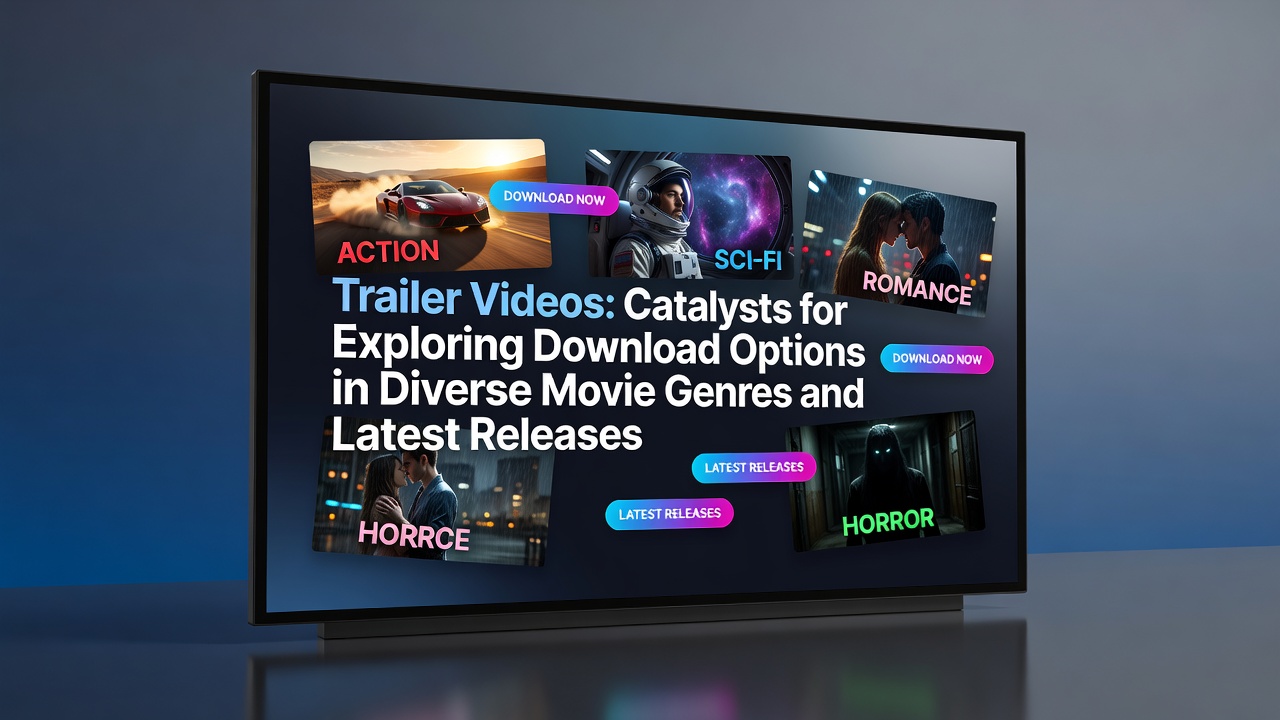
Trailer Videos Ignite Curiosity About Download Options in Film Genres and Recent Releases
Trailer videos serve as entry points that direct audiences toward download platforms where full features become accessible across action, comedy, thriller, and documentary categories, and the process often begins when promotional clips reveal enough narrative hooks to spark further interest in complete versions. Research from industry tracking services shows trailer views correlate with subsequent searches for legal acquisition methods such as digital storefronts and subscription services that offer ownership or rental models.
Mechanics Behind Trailer Influence on Download Behavior
Short clips condense plot elements, visual style, and tone into sequences lasting two to three minutes, and this compression allows potential viewers to evaluate fit within personal preferences without committing time to an entire film upfront. Observers note that platforms hosting trailers frequently embed links or suggestions that route users directly to affiliated stores, creating a streamlined path from preview to acquisition. Data indicates higher engagement rates when trailers incorporate recognizable cast members or established franchises, prompting immediate checks for availability on services that support downloads in multiple file formats and quality levels.
Technical aspects play a supporting role because trailers optimized for mobile playback maintain viewer attention longer, and those extended sessions translate into higher probabilities of follow-up actions like browsing genre-specific catalogs or new-release sections. Studies conducted by academic researchers at European universities have examined click-through patterns and found that trailer completion rates above seventy percent frequently precede visits to download interfaces within the same browsing session.
Genre-Specific Patterns in Trailer-Driven Exploration
Action and science-fiction trailers emphasize set pieces and special effects that encourage audiences to locate high-definition downloads capable of preserving visual detail, whereas drama and romance clips focus on character interactions that lead viewers toward platforms offering subtitle options and extended cuts. Comedy trailers rely on punchy dialogue exchanges, and those moments often result in searches for titles available in regions where regional licensing permits immediate digital purchase. Documentary trailers highlight factual content and interviews, directing interest toward archives that provide offline access for educational or repeated viewing purposes.
Animation trailers target family demographics by showcasing colorful sequences suitable for younger viewers, and parents commonly proceed to download services that include parental control features alongside purchase confirmations. Horror trailers build tension through atmospheric sound design and quick cuts, prompting exploration of platforms that list age-appropriate warnings and multiple language tracks as standard options. Each genre therefore channels trailer exposure into tailored discovery journeys within download ecosystems.
Connection to Latest Releases and Seasonal Timing
Studios coordinate trailer launches with theatrical rollouts and subsequent home entertainment windows, and this scheduling keeps download interest elevated during peak periods such as summer blockbuster seasons. In June 2026 several major studios plan simultaneous trailer drops for sequels and original titles spanning multiple genres, a strategy expected to increase traffic to digital storefronts offering pre-order and day-and-date options. Release calendars published by trade organizations illustrate how staggered trailer campaigns maintain steady inquiry levels rather than concentrating demand into single months.

Regional variations appear in how quickly new releases reach download availability after trailer exposure, with some markets securing earlier windows due to licensing agreements while others follow traditional delays. Figures from the Canadian Media Producers Association reveal that coordinated trailer campaigns in 2025 produced measurable upticks in digital transaction volumes within forty-eight hours of premiere clips appearing online.
Platform Features That Facilitate Post-Trailer Downloads
Modern storefronts integrate trailer playback directly into product pages, allowing seamless transitions from preview to purchase without leaving the application environment. Search algorithms prioritize titles that match trailer keywords, and recommendation engines surface similar genre entries once a user completes a download. Security protocols such as watermarking and device authentication protect content while still permitting offline playback on registered hardware, addressing concerns that might otherwise deter exploration after initial trailer interest.
Payment integrations support multiple currencies and methods, reducing friction for international audiences who discover trailers through global social channels. Analytics tools used by platform operators track trailer-to-download conversion paths, and those insights inform future promotional placements that further streamline user journeys across diverse content libraries.
Conclusion
Trailer videos function as consistent drivers that connect initial exposure with practical steps toward securing movies through download channels, and this relationship spans established genres as well as upcoming releases scheduled through 2026. Continued refinement of delivery technologies and licensing frameworks supports ongoing alignment between promotional content and acquisition options that audiences encounter after viewing clips.