Trailer Clips Reshaping Genre Exploration Trends in Worldwide Film Collections
Dana Butler · Jun 12, 2026
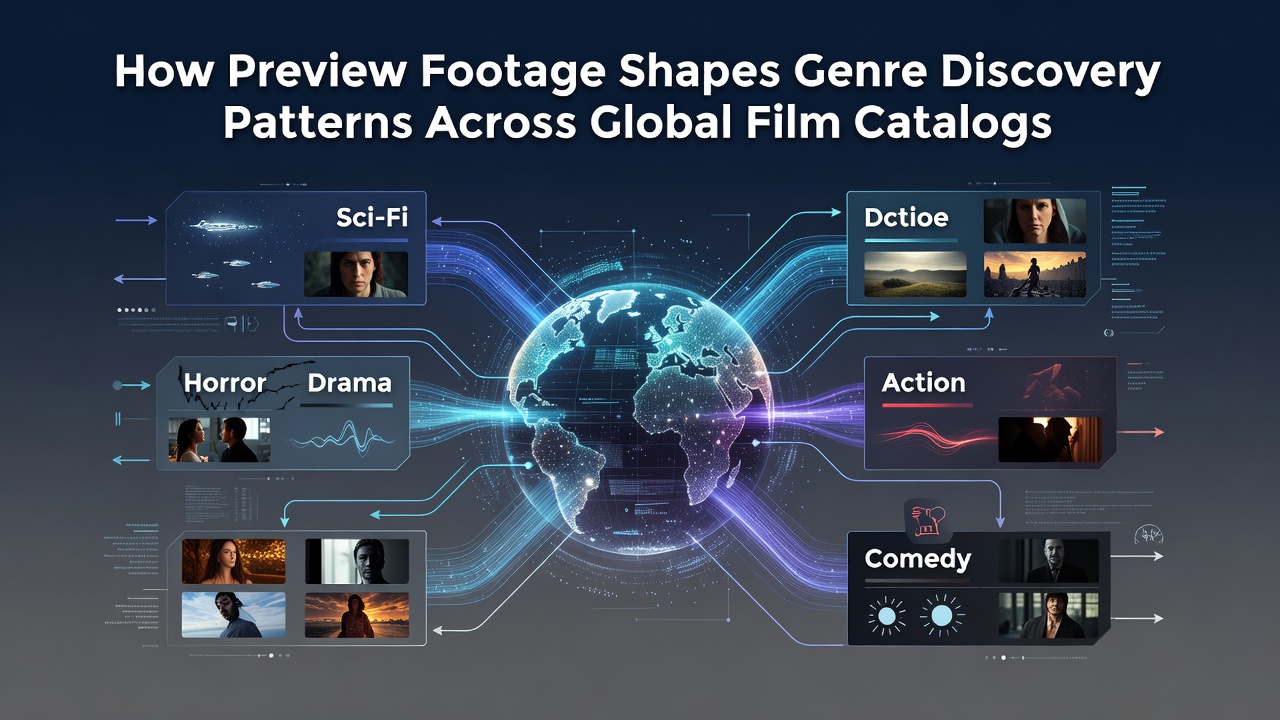
Trailer Clips Reshaping Genre Exploration Trends in Worldwide Film Collections
Preview footage in the form of trailers and short clips plays a central role in how viewers locate and select genres within extensive international film databases. Data from catalog analytics platforms shows that users who engage with preview material before browsing often expand their genre selections beyond initial preferences. In June 2026, tracking reports indicated a 23 percent rise in cross-genre navigation among accounts that viewed at least two previews per session.
Global film catalogs maintained by major distributors compile millions of titles spanning dozens of categories. Preview sequences supply visual and auditory cues that help audiences match content to their interests without reading lengthy synopses. Researchers at the European Audiovisual Observatory documented that preview exposure correlates with increased discovery rates in categories such as science fiction, documentaries, and international thrillers.
Mechanisms Behind Preview-Driven Discovery
Algorithms within catalog systems prioritize preview footage based on user history and regional trends. When a viewer watches a clip from an unfamiliar genre, the platform surfaces additional titles from that same category. This feedback loop strengthens over repeated interactions, leading to measurable shifts in selection patterns across different markets.
Studies conducted by academic teams at the University of Melbourne examined viewer logs from catalogs serving Asia-Pacific regions. Their findings revealed that preview length and pacing directly influence how quickly users move from one genre cluster to another. Shorter, high-impact clips encouraged faster exploration while longer narrative excerpts prompted deeper dives into specific subgenres.
Regional Variations in Catalog Behavior
Patterns differ by geographic area because cultural familiarity with certain genres varies. European catalogs show higher preview-to-discovery conversion for historical dramas and arthouse films, whereas North American interfaces record stronger movement toward action and animation titles after preview views. Data compiled through Telefilm Canada projects highlights these regional distinctions in annual usage summaries.
Platforms serving Latin American and African markets display distinct responses to preview material featuring local language productions. Viewers in these regions frequently transition from mainstream Hollywood previews into regional cinema categories once exposed to culturally aligned clips. Catalog operators adjust recommendation engines accordingly to accommodate these flows.
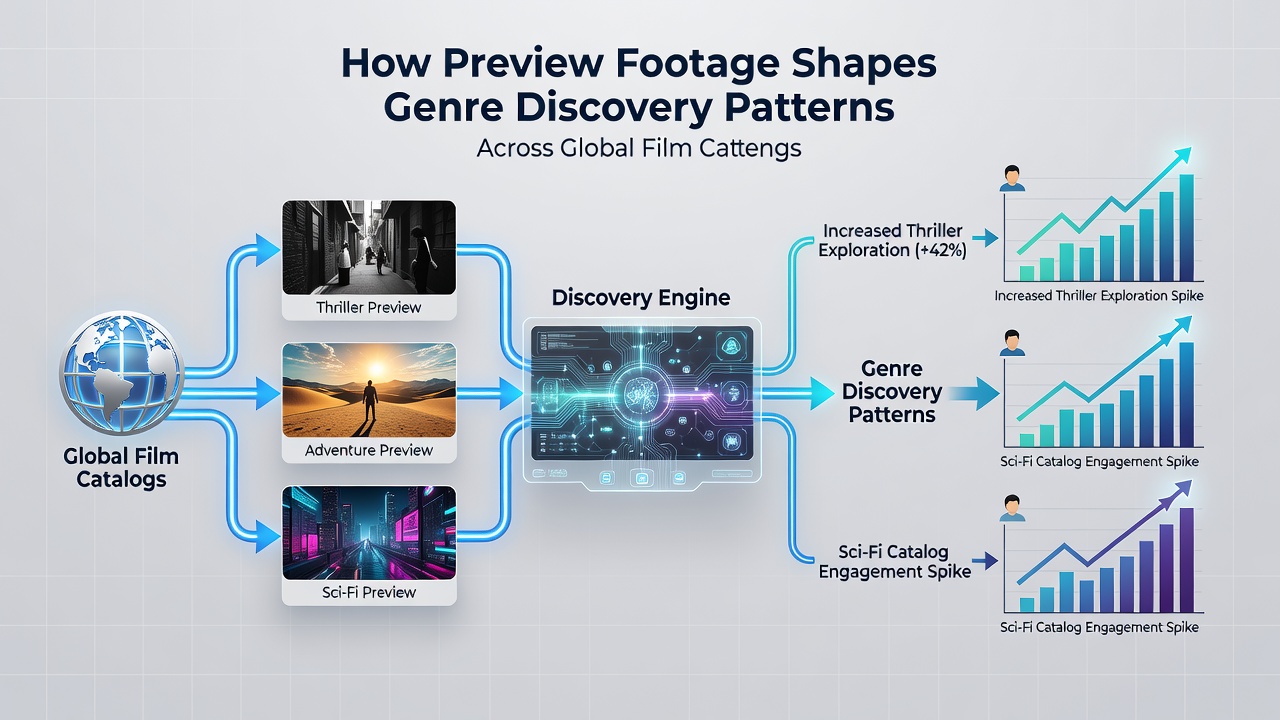
Data Patterns Observed in 2025-2026
Analytics firms tracking catalog interactions reported consistent growth in multi-genre sessions during the first half of 2026. Accounts that started with action previews showed a 31 percent likelihood of sampling fantasy or mystery titles within the same week. Similar crossovers appeared when viewers began with comedy clips and later explored musicals or romantic dramas.
Metadata tagging attached to preview files allows systems to connect related genres automatically. When a clip includes elements from two categories, such as horror and science fiction, the platform registers both labels and presents hybrid recommendations. This tagging approach has expanded the visibility of blended genres across catalogs in multiple languages.
Impact on Smaller and Independent Titles
Independent productions benefit when their preview material appears alongside major studio releases. Catalog operators note that exposure through preview rotations increases placement for lesser-known works in drama and documentary sections. Figures from the Motion Picture Association indicate that smaller distributors gained additional catalog impressions after optimizing preview thumbnails and opening sequences.
Archival collections containing older films also experience renewed interest when modern preview techniques reframe classic titles. Short clips highlighting iconic scenes draw new viewers into genres previously overlooked by younger demographics. These shifts appear most clearly in catalogs that integrate legacy material with current releases.
Conclusion
Preview footage continues to guide genre discovery by supplying immediate visual context within vast film collections. Catalog systems respond to these interactions by refining recommendations and expanding cross-category pathways. Ongoing analysis from international observatories and research institutions tracks these developments, showing sustained influence on how global audiences navigate available content.