The Expansion of Broadband Film Delivery Across Regions
Blake Keller · Sep 3, 2026
The Expansion of Broadband Film Delivery Across Regions
Data from regulatory bodies shows that broadband film delivery has grown steadily since the early 2010s, with subscription services now accounting for the majority of legal movie consumption in developed markets. Observers note that this shift occurred alongside improvements in network infrastructure and device availability, allowing viewers to access libraries containing thousands of titles without physical media. In September 2026, industry reports indicate continued expansion in emerging regions where mobile data speeds support higher-resolution streams.
Infrastructure Requirements and Technical Standards
Streaming relies on content delivery networks that cache files on servers close to end users, reducing latency during playback. Adaptive bitrate technology adjusts video quality based on available bandwidth, which helps maintain uninterrupted viewing even when connections fluctuate. Researchers at academic institutions have documented how these systems evolved from basic progressive downloads to the sophisticated protocols used today. Those who study network performance often point to the role of standards developed by international bodies that ensure compatibility across different platforms and devices.
Regional Variations in Access and Regulation
North American markets feature multiple competing services, yet European countries operate under frameworks that emphasize data protection and content licensing rules set by the European Commission. Australian authorities through the Australian Communications and Media Authority track compliance with local content quotas on streaming platforms. Data shows that viewers in urban areas experience faster connection speeds than those in rural zones, creating noticeable differences in available resolution options. Experts have observed that government subsidies for broadband rollout in several Asian countries have accelerated adoption rates since 2023.
Payment models include monthly subscriptions, pay-per-view transactions, and advertising-supported tiers. Figures reveal that ad-supported options gained users quickly after major services introduced them in 2022, particularly among younger demographics. Industry organizations such as the Motion Picture Association compile annual statistics on revenue streams that demonstrate how these models coexist rather than replace one another.
Content Acquisition and Licensing Practices
Platforms secure rights through direct deals with studios or aggregators that bundle catalogs from multiple sources. Licensing agreements specify territorial restrictions, windowing periods between theatrical release and streaming availability, and exclusivity clauses that limit simultaneous distribution on competing services. One study revealed that these contracts often renew on annual cycles, leading to periodic changes in available titles that users must track through search tools or notifications.

Original productions commissioned directly by streaming companies now form a significant portion of new releases. Production budgets for these projects frequently match or exceed those of traditional studio films, according to financial disclosures from publicly traded firms. Viewers access supplementary materials such as behind-the-scenes documentaries and director commentaries through the same interface used for the main feature.
Device Compatibility and User Interface Design
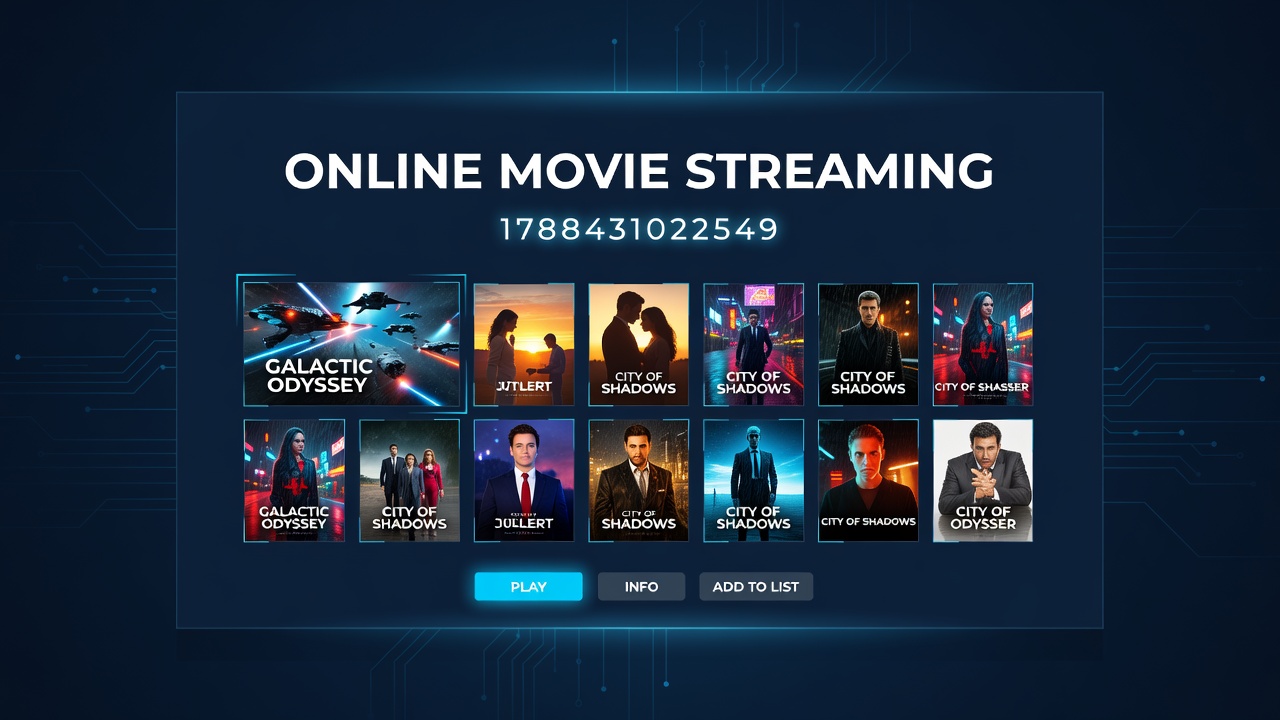
Modern streaming applications function on smart televisions, mobile phones, tablets, and computers, with remote controls or touchscreens serving as primary navigation methods. Developers implement recommendation algorithms that analyze viewing history to suggest titles, though these systems remain subject to ongoing refinement based on user feedback data. Accessibility features including closed captions, audio descriptions, and adjustable subtitle sizes appear as standard options on most major services following regulatory guidelines from bodies like the Federal Communications Commission.
Security measures protect both the content and user accounts through encryption and multi-factor authentication. Reports from cybersecurity research groups highlight occasional vulnerabilities in third-party applications, prompting services to issue regular software updates. Those who manage large libraries often organize content into genres, mood-based collections, and curated playlists created by editorial teams.
Future Developments and Market Trends
Analysts project further integration of virtual reality interfaces for immersive viewing experiences once hardware becomes more affordable. Cloud gaming elements have begun appearing in some film-related applications, allowing interactive story branches within select titles. Data indicates that international co-productions distributed exclusively through streaming services continue to increase, broadening access to films from regions previously underrepresented in global markets.
Bandwidth demands rise with the adoption of 4K and 8K resolutions, which require robust home networks and updated compression codecs. Service providers respond by offering offline download options for travel or areas with unreliable connections. Observers note that these features reduce the need for constant internet access while still respecting licensing limitations on storage duration.
Conclusion
Broadband film delivery continues to evolve through technological improvements, regulatory adjustments, and shifting consumer preferences across different geographic areas. Statistics compiled by various industry and government sources document steady growth in both subscriber numbers and hours streamed. The infrastructure supporting these services adapts to new demands while maintaining compatibility with existing devices and networks.