The Changing Face of Film Distribution Through Online Streaming
Tina Sullivan · Jul 15, 2026
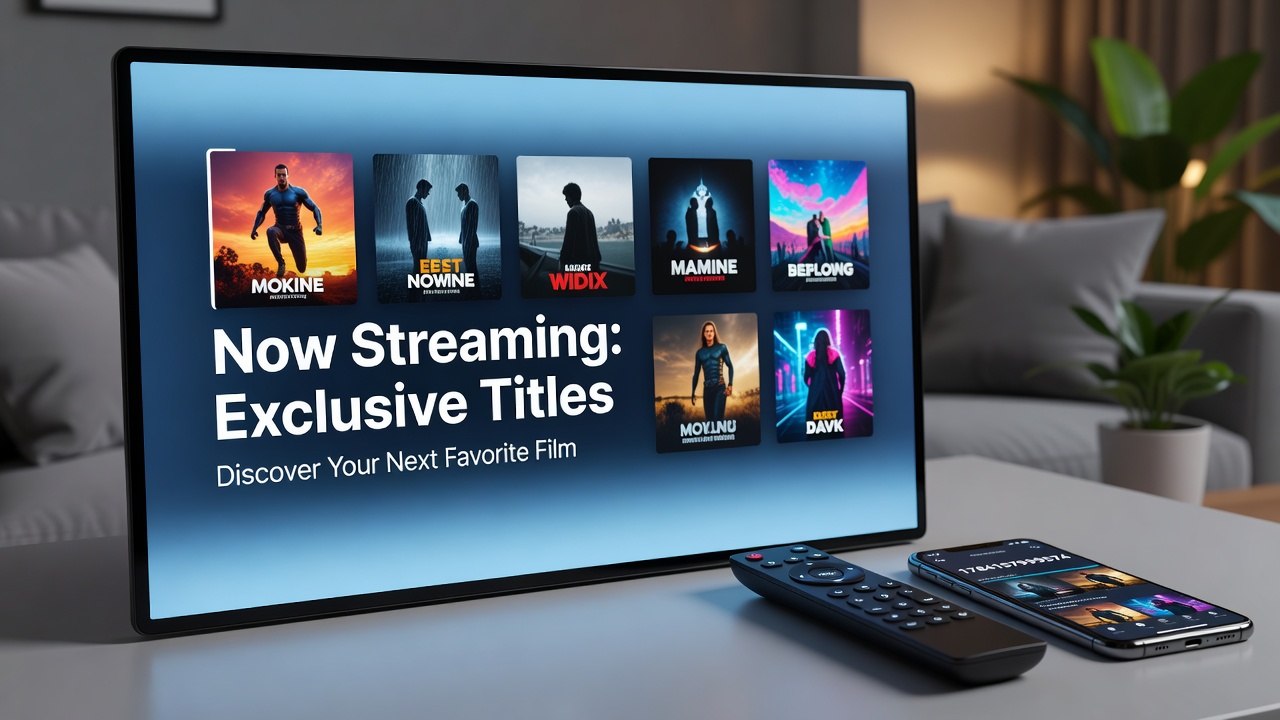
The Changing Face of Film Distribution Through Online Streaming
Online movie streaming has reshaped how films move from production studios to viewers around the world, and this shift continues to accelerate as technology advances and consumer habits evolve. Platforms deliver content directly to devices without physical media or scheduled broadcasts, which allows audiences to select titles at any hour. Data from industry reports indicate that global subscription numbers exceeded 1.5 billion accounts by early 2026, while advertising-supported models gained additional traction in several markets.
Early Development of Streaming Technology
Streaming services emerged in the late 1990s when bandwidth improvements made real-time video feasible for home connections, and companies began testing digital delivery of short clips before full-length films became practical. By the mid-2000s major services launched catalogs that included licensed studio titles, which encouraged broader adoption once high-speed internet reached more households. Observers note that the transition from DVD rentals to on-demand access happened faster in urban areas where infrastructure supported higher data rates, whereas rural regions followed several years later as fiber and 5G networks expanded.
Current Platform Landscape and Business Models
Today services operate under subscription, free-with-ads, or transactional rental structures, and many combine several approaches within the same application. Subscription tiers often include offline downloads and multiple simultaneous streams, while ad-supported versions limit interruptions to brief commercial breaks. Research indicates that hybrid models attracted new users who preferred lower monthly fees, and this pattern held steady through July 2026 when several platforms adjusted pricing tiers in response to rising content acquisition costs.
Regional services also compete effectively in local markets by securing rights to national cinema and language-specific productions that global platforms sometimes overlook. Those who study market share note that domestic providers maintain strong positions in countries with protective content regulations or distinct cultural preferences that influence viewing choices.
Viewer Behavior and Device Trends
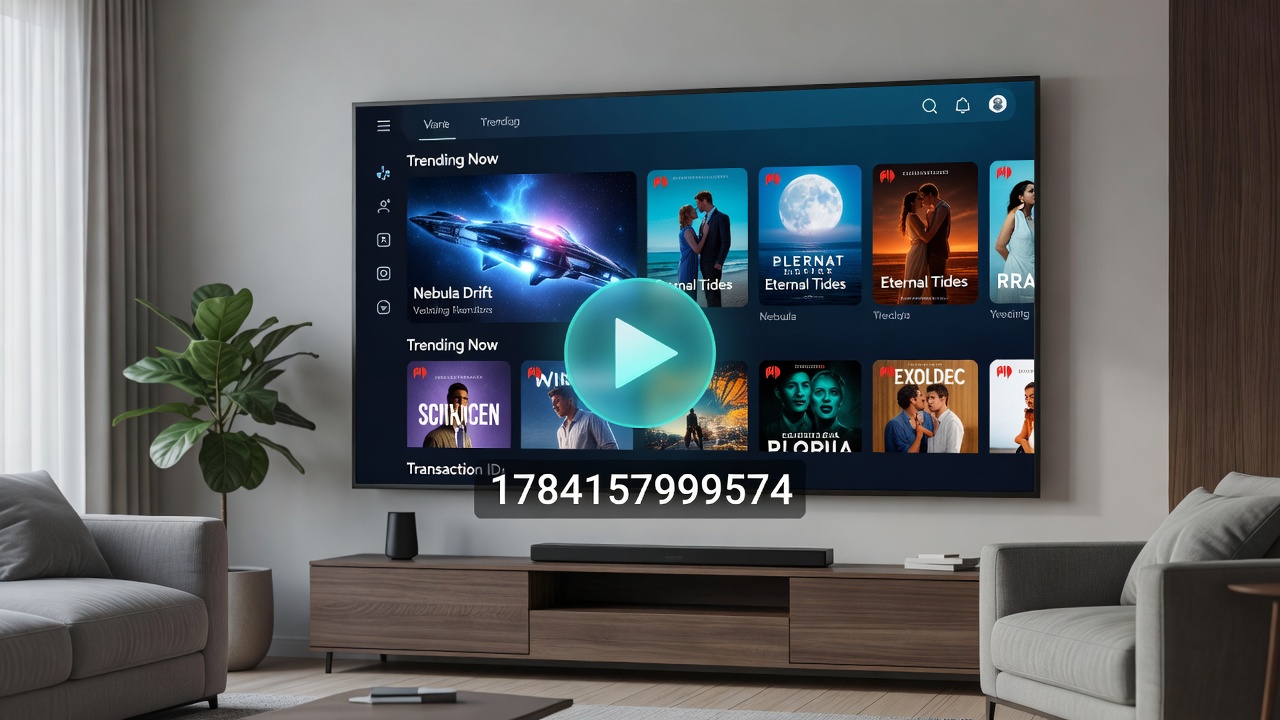
Smartphones and tablets account for a growing share of viewing sessions according to multiple device analytics reports, although smart televisions remain the primary screen for longer films. People often start a title on one device and finish it on another, and services have responded by improving cross-device synchronization features. Studies show that peak usage occurs during evening hours in most time zones, while weekend afternoons draw younger demographics who favor shorter content or series episodes over feature films.
Regulatory and Infrastructure Considerations
Government agencies monitor competition and content standards across streaming markets. The Canadian Radio-television and Telecommunications Commission publishes periodic assessments of domestic service penetration and foreign platform influence, which helps policymakers evaluate whether local production quotas remain effective. In parallel, the European Commission tracks cross-border licensing rules under the Digital Single Market framework, and these reports reveal ongoing negotiations between studios and platforms over territorial rights.
Network capacity also shapes availability, since high-definition and 4K streams require stable connections that not every region can guarantee during peak times. Industry organizations such as the Motion Picture Association document how infrastructure investments correlate with higher adoption rates in previously underserved areas.
Content Acquisition and Licensing Realities
Platforms secure rights through direct studio deals, output agreements, or library purchases, and these contracts determine which titles appear in each territory and for how long. Licensing windows have shortened in recent years because services seek fresh content to retain subscribers, yet older catalog titles continue to generate steady viewership when promoted through recommendation algorithms. Those who analyze viewing data find that algorithm-driven suggestions account for the majority of discovery on most services, while word-of-mouth and social media mentions still influence major releases.
Conclusion
Online movie streaming now forms a central part of global entertainment distribution, supported by expanding device ecosystems, evolving business models, and regulatory oversight that varies by region. As infrastructure improves and new entrants appear, the sector continues to adjust its approach to content rights, viewer preferences, and technical delivery standards without any single path dominating every market.