Technological Foundations and Market Shifts in Online Film Viewing
Dana Butler · Aug 5, 2026

Technological Foundations and Market Shifts in Online Film Viewing
Online movie streaming relies on content delivery networks that distribute video files across multiple servers positioned closer to end users, which reduces latency and supports smoother playback on various devices, while adaptive bitrate streaming adjusts quality based on available bandwidth to maintain continuity even during network fluctuations. Data from industry reports shows that global streaming subscriptions reached over 1.2 billion accounts by early 2026, driven by expansions in fiber optic infrastructure and 5G rollouts in urban centers across Asia and Europe.
Core Delivery Mechanisms
Encoding formats such as H.264 and the more recent AV1 standard compress large video files into manageable streams that transmit efficiently over internet protocols, and content providers encrypt these streams using digital rights management systems to prevent unauthorized redistribution. Observers note that content delivery networks operated by companies like Akamai and Cloudflare handle peak loads during evening hours when simultaneous viewers spike, especially around major release windows in August 2026 when several high-profile titles became available simultaneously on multiple services.
Regional Infrastructure Developments
European regulators under the Digital Services Act have required platforms to improve transparency around recommendation algorithms, and similar measures from the Australian Communications and Media Authority focus on local content quotas that streaming services must meet through investments in regional productions. In North America the Federal Communications Commission continues to monitor broadband access disparities that affect rural households seeking reliable connections for high-definition streams, while Canadian studies from the CRTC document gradual improvements in upload speeds that support user-generated content alongside professional releases.
Viewer Behavior Patterns
Analytics platforms track session durations averaging 2.3 hours per day across major services, with mobile devices accounting for 62 percent of total viewing time according to aggregated figures from multiple market research firms. People often switch between devices mid-session, which requires seamless synchronization features that platforms now implement through cloud-based account systems. Research indicates that interactive elements such as choose-your-own-adventure formats have gained traction in select genres, though traditional linear playback remains dominant in most regions.
Security and Compliance Measures
Platforms employ multi-factor authentication and device fingerprinting to limit account sharing, while watermarking techniques embed invisible identifiers into streams that help trace piracy sources back to specific accounts. Academic papers from institutions such as the University of Melbourne highlight how these protections balance user privacy with copyright enforcement, and ongoing trials in 2026 test blockchain-based verification methods that could further secure transaction records for pay-per-view events.
Emerging Integration Trends
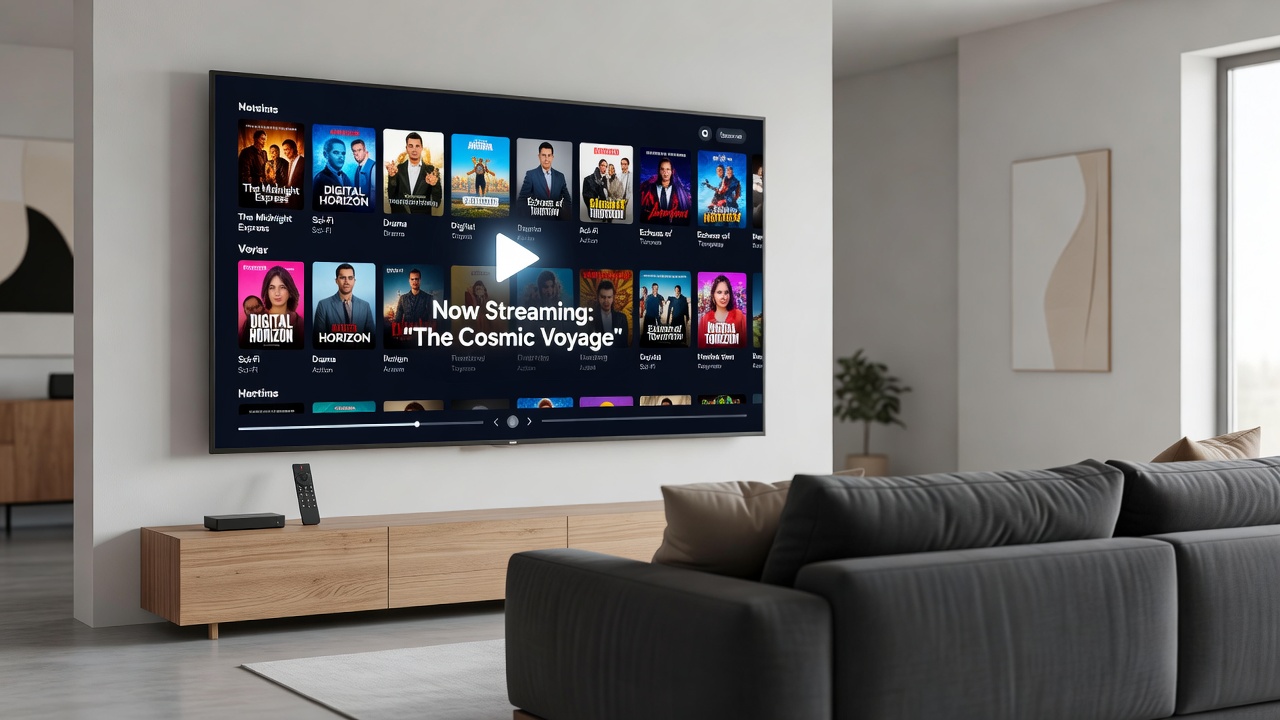
Smart television operating systems now incorporate voice search and personalized discovery interfaces that draw from viewing history, and partnerships between hardware manufacturers and content aggregators allow direct app integration without additional setup steps. Data shows that live sports and concert events streamed alongside films have increased average monthly engagement by 18 percent in markets where such hybrid offerings launched during the first half of 2026. Those who monitor industry metrics observe that smaller independent platforms continue to differentiate through niche libraries and ad-supported tiers that appeal to cost-conscious audiences.
Conclusion
The infrastructure supporting online movie streaming continues to evolve through coordinated advances in network capacity, encoding standards, and regulatory frameworks that shape accessibility across different geographic areas. Figures reveal sustained growth tied to both technological upgrades and shifting consumption habits, with platforms adapting features to accommodate diverse devices and viewer preferences throughout 2026 and beyond.