Shifting Patterns in Digital Film Access Through Mid-2026
Dana Butler · Aug 7, 2026
Shifting Patterns in Digital Film Access Through Mid-2026
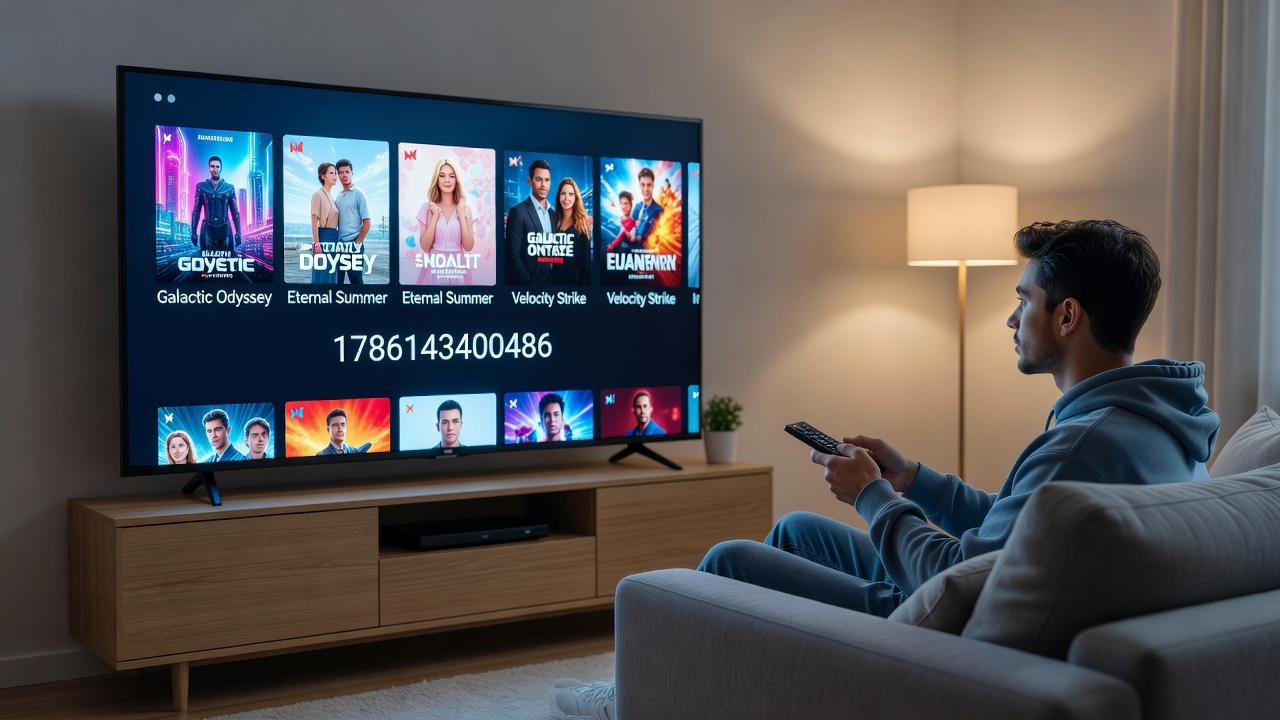
Online movie streaming has grown into a primary method for film distribution since the early 2010s, with data from multiple regions showing steady increases in subscriber numbers and viewing hours. As of August 2026, reports indicate that broadband penetration rates continue to support higher-resolution formats across North America, Europe, and parts of Asia-Pacific, where average connection speeds allow for simultaneous multi-device usage in many households.
Platform Development and Market Reach
Major services expanded their libraries during the first half of 2026, adding original productions alongside licensed content from studios. Observers note that these platforms operate under licensing agreements that vary by territory, which affects availability and requires users to check regional catalogs. Data from industry trackers shows subscription models remain dominant, though some providers introduced tiered pricing that includes advertisements to reach price-sensitive audiences.
Technical infrastructure plays a central role in delivery quality. Content delivery networks distribute files from edge servers closer to end users, reducing latency during peak evening hours. Adaptive bitrate streaming adjusts quality based on available bandwidth, a technique refined over years of deployment that prevents interruptions even when network conditions fluctuate.
Regulatory Environment and Data Practices
Government agencies monitor competition and consumer protection in this sector. The European Commission tracks digital market compliance across member states, while the National Telecommunications and Information Administration in the United States collects statistics on broadband adoption that influence streaming accessibility. These efforts help document how infrastructure investments correlate with viewing patterns in different demographics.
Privacy regulations also shape platform operations. Data handling rules require clear disclosure of collection practices, and users in several jurisdictions can request deletion of viewing histories. Researchers at academic institutions have examined how these policies affect user retention rates without altering core service functionality.
Viewer Habits and Content Trends
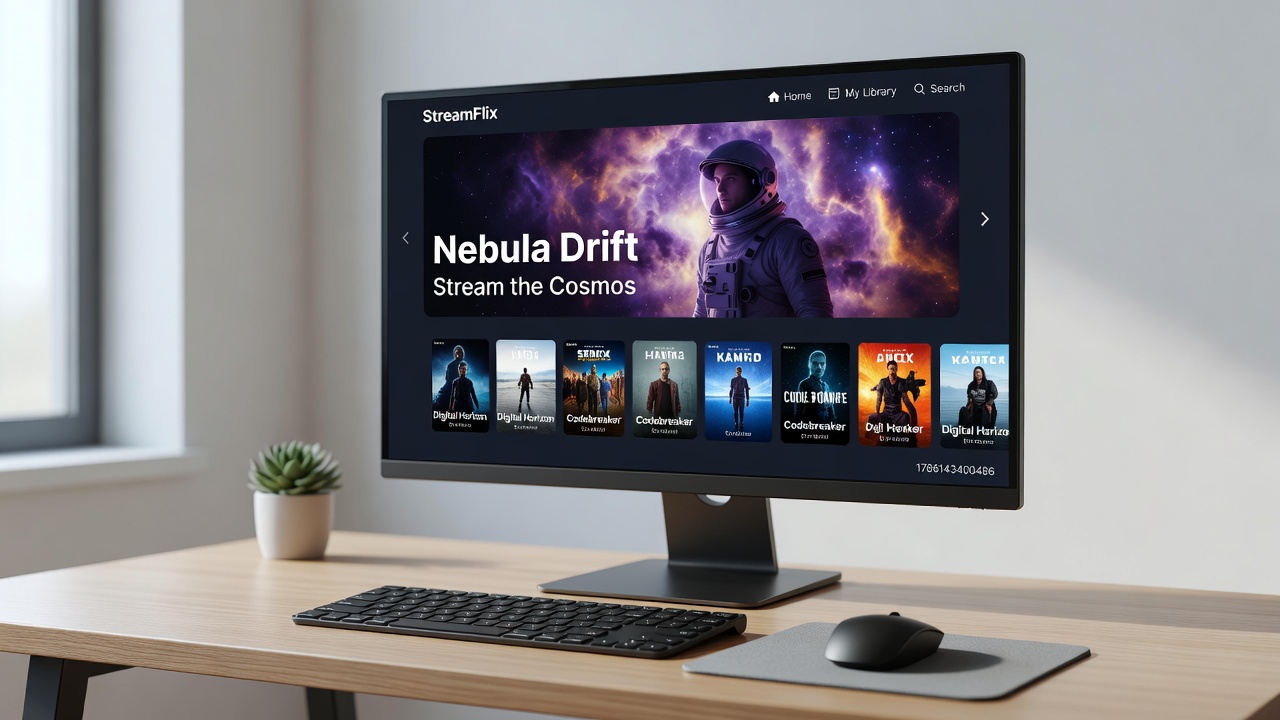
Usage statistics compiled in 2026 reveal that mobile devices account for a growing share of viewing sessions, particularly during commutes and travel. Short-form supplementary material such as behind-the-scenes clips often accompanies full-length features, providing additional context that some audiences seek. Genre preferences shift seasonally, with action and science-fiction titles maintaining consistent demand while documentaries see spikes around specific cultural events.
Simultaneous releases in theaters and on streaming services became more common in recent years, allowing broader access without geographic constraints. This approach requires coordinated marketing campaigns that studios manage across multiple channels, ensuring promotional materials reach intended viewers through social media and traditional outlets alike.
Technical Challenges and Solutions
Bandwidth demands rise with 4K and HDR content, prompting ongoing upgrades in both consumer connections and backend systems. Some providers implement download options for offline viewing, which addresses connectivity gaps in rural areas or during international travel. Compression algorithms continue to improve efficiency, delivering comparable visual fidelity at lower data rates than earlier methods.
Security measures protect against unauthorized access and content piracy. Watermarking techniques embed viewer-specific identifiers into streams, aiding investigations when leaks occur. Industry groups collaborate on standards that balance protection with user experience, avoiding excessive restrictions that might frustrate legitimate subscribers.
Conclusion
Online movie streaming operates within a framework shaped by technology, regulation, and consumer behavior that evolves continuously. Figures from regulatory bodies and research organizations document these developments across regions, providing a factual basis for understanding access patterns. As infrastructure advances and content strategies adapt, the mechanisms for film delivery remain responsive to measurable changes in demand and capability.