Regional Film Upload Networks and Shifts in Genre Exploration Patterns
Frankie Jenkins · Jul 24, 2026
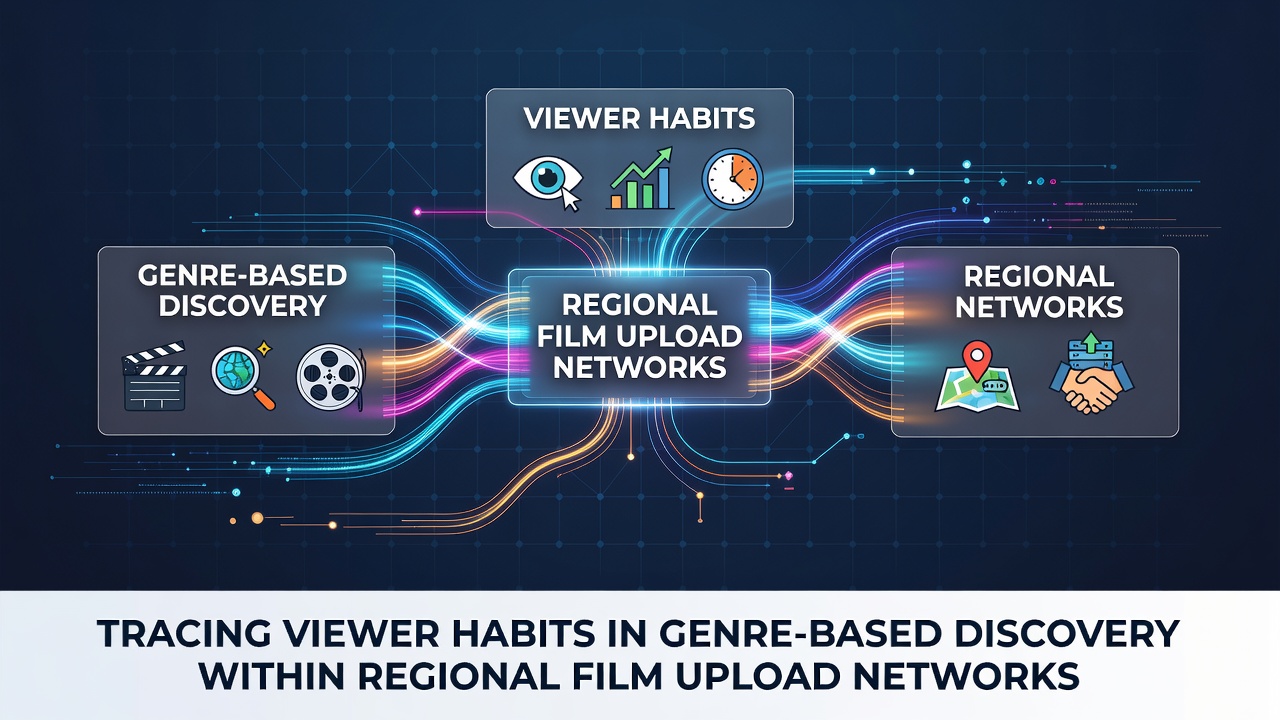
Regional Film Upload Networks and Shifts in Genre Exploration Patterns
Regional film upload networks operate as localized platforms where users share and access movies through community-driven uploads, and these systems reveal distinct patterns in how viewers locate content by genre. Data from multiple studies indicate that discovery often begins with algorithmic suggestions tied to upload timestamps and regional metadata tags rather than broad global catalogs. Observers note that in July 2026 platform logs across several Asian and European networks showed increased activity in thriller and documentary categories during evening hours, correlating with upload spikes from local contributors.
Researchers have tracked these behaviors through anonymized session data, finding that users in densely populated urban zones tend to explore subgenres faster than those in rural areas. This difference appears because network latency and device compatibility influence how quickly recommendation carousels load new uploads. According to figures from the Australian Bureau of Statistics on digital media consumption, households in regional Australia spent an average of 14 hours weekly engaging with such networks, with genre switches occurring most frequently after three consecutive views in the same category.
Mechanisms Driving Genre Discovery
Upload networks typically embed genre labels at the point of submission, and these labels feed into viewer-facing search tools that prioritize proximity to the uploader's location. Experts have observed that when a new horror upload gains traction within a specific city cluster, nearby users encounter it first through localized trending lists. This geographic filtering creates feedback loops where popular genres reinforce themselves within tight-knit user groups while slower-moving genres remain undiscovered outside their initial clusters.
Studies conducted by university teams in Canada have documented how language preferences intersect with genre selection, showing that viewers who select subtitles early in a session are more likely to branch into international drama uploads rather than staying within familiar action categories. Platform operators adjust metadata weighting accordingly, though the exact formulas remain proprietary. Those who've analyzed server logs report that genre crossover events happen most often when an upload includes hybrid tags, such as sci-fi combined with romance elements.
Regional Variations in Viewing Sequences
Patterns differ sharply across continents. In South American networks, comedy uploads frequently lead users toward family-oriented drama within the same session, whereas North American logs show stronger movement from comedy toward independent documentaries. European data collected through academic partnerships reveal that viewers often follow chronological upload histories within a genre, starting with older titles before moving to recent additions.
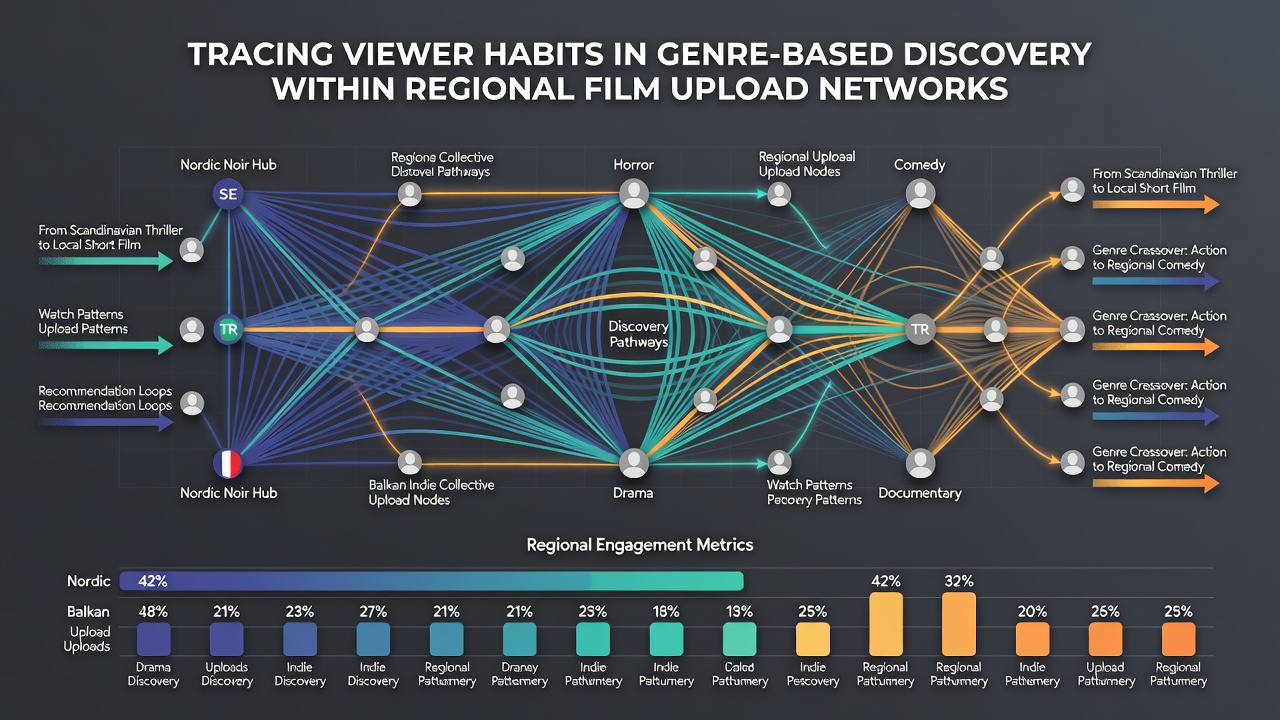
One analysis of upload timestamps from mid-2026 indicated that Monday evenings produced the highest volume of genre exploration in African and Middle Eastern networks, driven by weekend backlog clearances. Viewers in these regions tend to sample multiple genres before settling, contrasting with more linear habits recorded in East Asian markets. Industry reports from the European Audiovisual Observatory highlight similar weekday spikes, attributing them to synchronized upload schedules among local contributors.
Data Collection and Habit Mapping Techniques
Analysts employ heatmaps of click paths and dwell times to trace how users move between genres without relying on personal identifiers. These methods show that recommendation engines seeded by regional uploads accelerate discovery within niche categories such as animated shorts or experimental film. When a single upload receives repeated views from the same geographic radius, subsequent uploads in that genre receive boosted visibility for nearby accounts.
Research indicates that seasonal events influence these flows. July 2026 coincided with increased documentary uploads tied to regional film festivals, and viewer logs reflected a measurable uptick in related genre exploration lasting several weeks afterward. Platform administrators have adjusted indexing priorities to accommodate these periodic surges, though the adjustments remain reactive rather than predictive.
Conclusion
Regional film upload networks continue to generate measurable data on genre discovery through localized interaction patterns. Observers continue to examine how upload density, geographic clustering, and temporal factors combine to shape viewer pathways across different markets. As these networks expand, the resulting datasets provide clearer pictures of how genre preferences propagate within specific communities rather than across global audiences.