Preview Clips Reshaping How Audiences Discover Regional Films and Accessibility Tools
Dana Butler · Jun 5, 2026
Preview Clips Reshaping How Audiences Discover Regional Films and Accessibility Tools
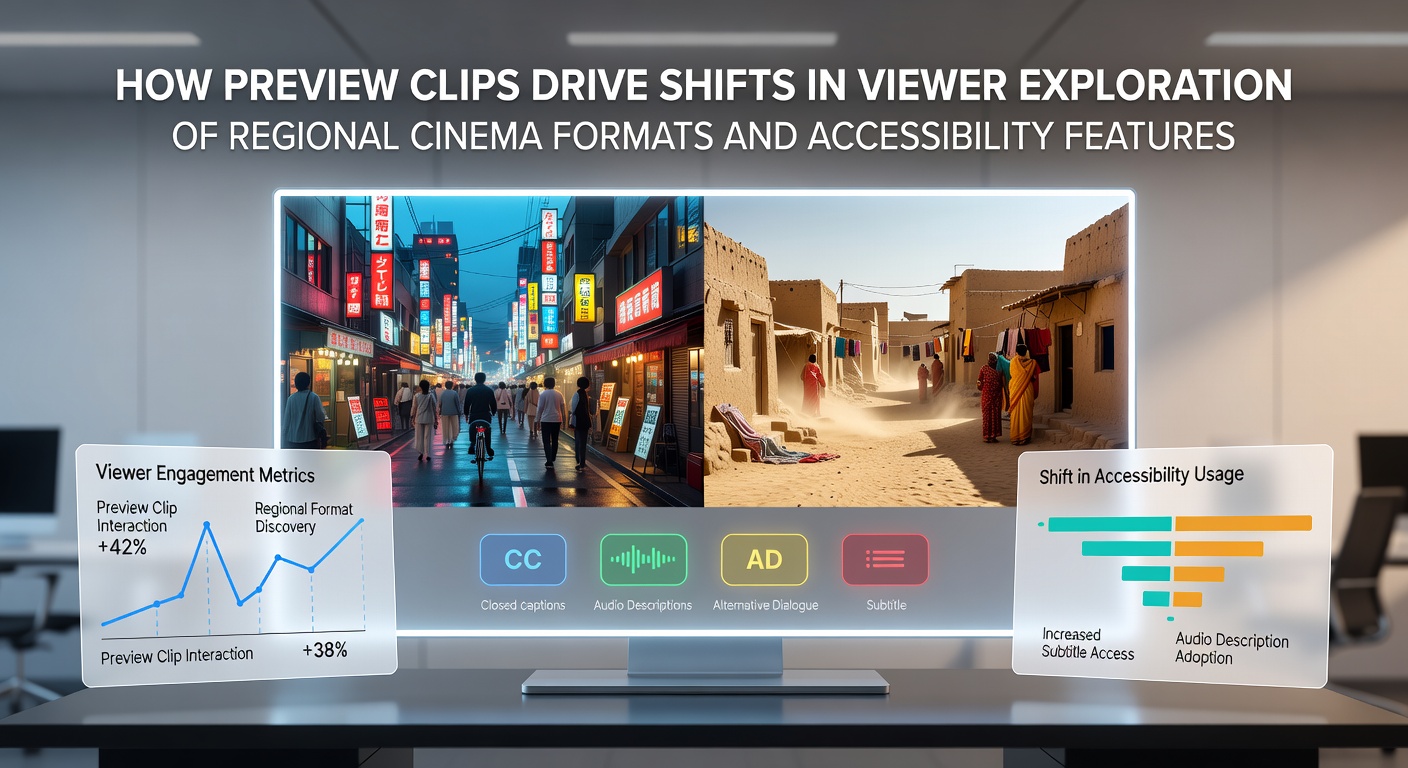
Preview clips have become central to how viewers locate and engage with regional cinema from various parts of the world, and these short segments often introduce formats such as Bollywood musical sequences, Nollywood narrative styles, and East Asian arthouse structures alongside accessibility features including subtitles, audio descriptions, and sign language overlays. Platforms distribute these clips through social media feeds and recommendation engines, where they function as entry points that guide users toward full-length titles they might not have considered otherwise.
Distribution Patterns Across Platforms
Streaming services and video-sharing sites release preview clips in multiple languages and lengths, ranging from 30 seconds to three minutes, while incorporating on-screen text that demonstrates caption styles or audio description cues. Data compiled by industry monitoring groups shows that clips featuring accessibility indicators receive higher completion rates in regions with established regulations on media access, such as those enforced by the Australian Communications and Media Authority. Viewers encounter these clips during routine scrolling sessions, and algorithms prioritize content that matches prior viewing histories in similar genres or languages.
Regional film distributors have adjusted their promotional strategies to include accessibility highlights directly in the clips themselves, which allows potential audiences to assess compatibility with their own needs before committing to a full title. This approach differs from earlier marketing that focused solely on plot summaries or star appearances, because current clips integrate visual demonstrations of closed captions or dubbed tracks to reach broader demographics.
Influence on Regional Cinema Exploration
Observers have documented increases in searches for titles from specific geographic areas after users interact with preview clips that showcase unfamiliar cinematic conventions, such as non-linear storytelling common in certain Latin American productions or the episodic pacing found in some African series. Research from academic institutions tracking streaming behavior indicates that exposure to these short segments correlates with expanded watchlists that cross traditional language and cultural boundaries. Platforms report that users who view clips from one regional source frequently follow up by exploring additional titles from the same production ecosystem within the same week.
June 2026 figures from content analytics firms reveal that clips tagged with regional format descriptors generated measurable upticks in catalog navigation, particularly among younger demographics who use mobile devices for initial discovery. These patterns suggest that preview material serves as both an introduction and a filter, helping viewers identify formats that align with their preferences while filtering out options that do not meet accessibility thresholds.
Accessibility Feature Visibility
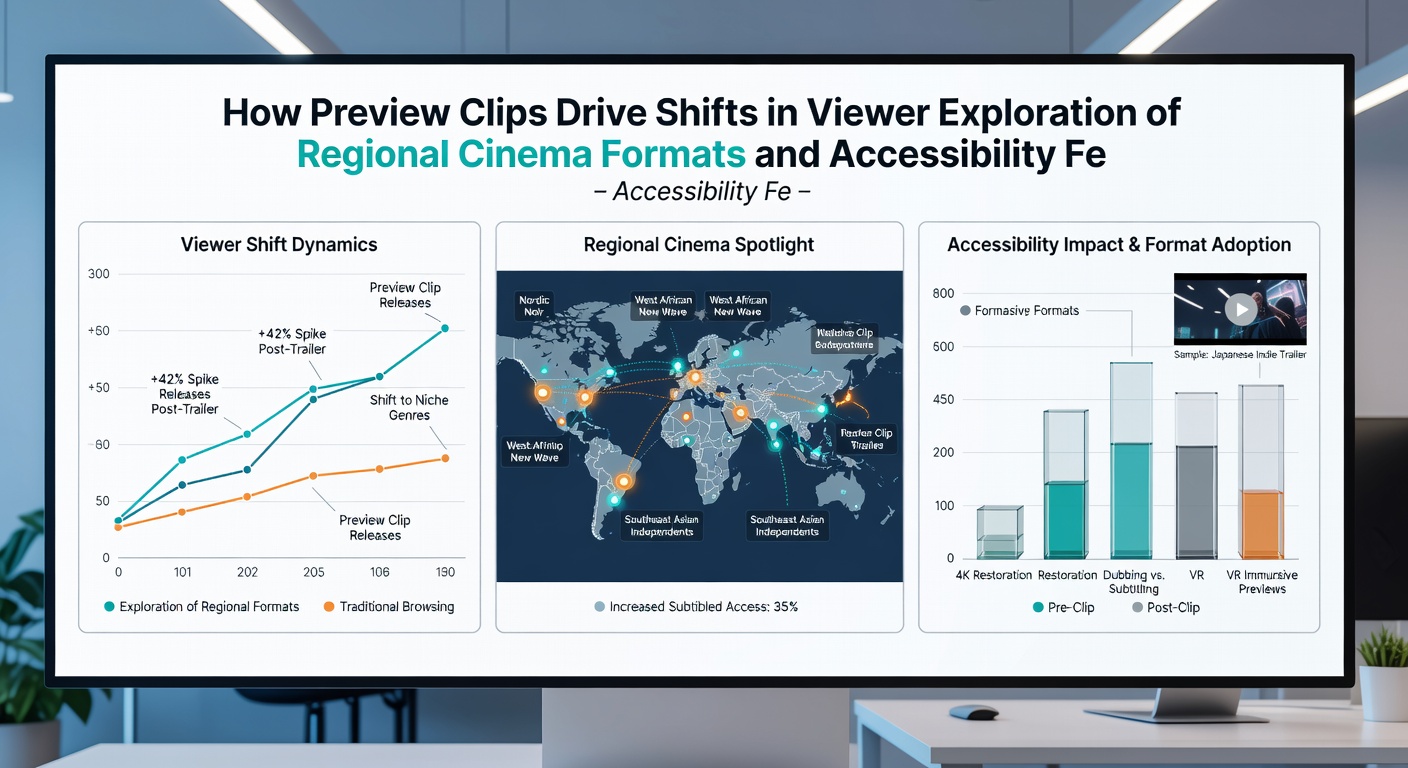
Accessibility tools appear more prominently when preview clips embed examples of those features during playback, which educates users about options they may not have known existed on the platform. European Audiovisual Observatory reports highlight that services providing such demonstrations see higher activation rates for subtitle customization and audio description tracks once users complete a viewing session. The clips often include metadata labels that surface during search, allowing individuals to filter results by presence of specific accessibility elements before selecting content.
Those who study viewer retention note that clips demonstrating compatibility with screen readers or adjustable caption sizes reduce drop-off rates during initial platform interactions. This visibility extends to formats that incorporate visual sign language insets or alternative audio mixes tailored to particular regional productions, thereby connecting technical features directly to the content itself rather than treating accessibility as a separate menu item.
Measurement of Viewer Shifts
Analytics from multiple services track how preview clip interactions lead to subsequent exploration sessions, with metrics showing extended browsing times when clips reference both regional styles and accessibility options in tandem. University-led studies on digital media consumption have recorded correlations between clip engagement and increased selection of non-English language titles that carry full accessibility support. These shifts appear across age groups, although patterns differ by device type and time of day when users first encounter the material.
Industry organizations such as the Motion Picture Association compile annual summaries that document how promotional clips influence catalog usage, revealing that titles promoted through accessible preview segments maintain steadier viewership over longer periods compared with those promoted through standard trailers alone. The data underscores the role of these short formats in guiding users toward sustained exploration rather than isolated one-time views.
Conclusion
Preview clips continue to function as connectors between regional cinema traditions and the accessibility infrastructure that supports wider viewership, with measurable effects on search behavior and content selection documented through platform data and external research. As distribution methods evolve, these segments maintain their position as practical tools that inform decisions about which formats and features audiences will engage with next.