Navigating Teaser Pathways to Legal Access Points for Emerging Genre Films in Global Studios
Dana Butler · May 29, 2026
Navigating Teaser Pathways to Legal Access Points for Emerging Genre Films in Global Studios
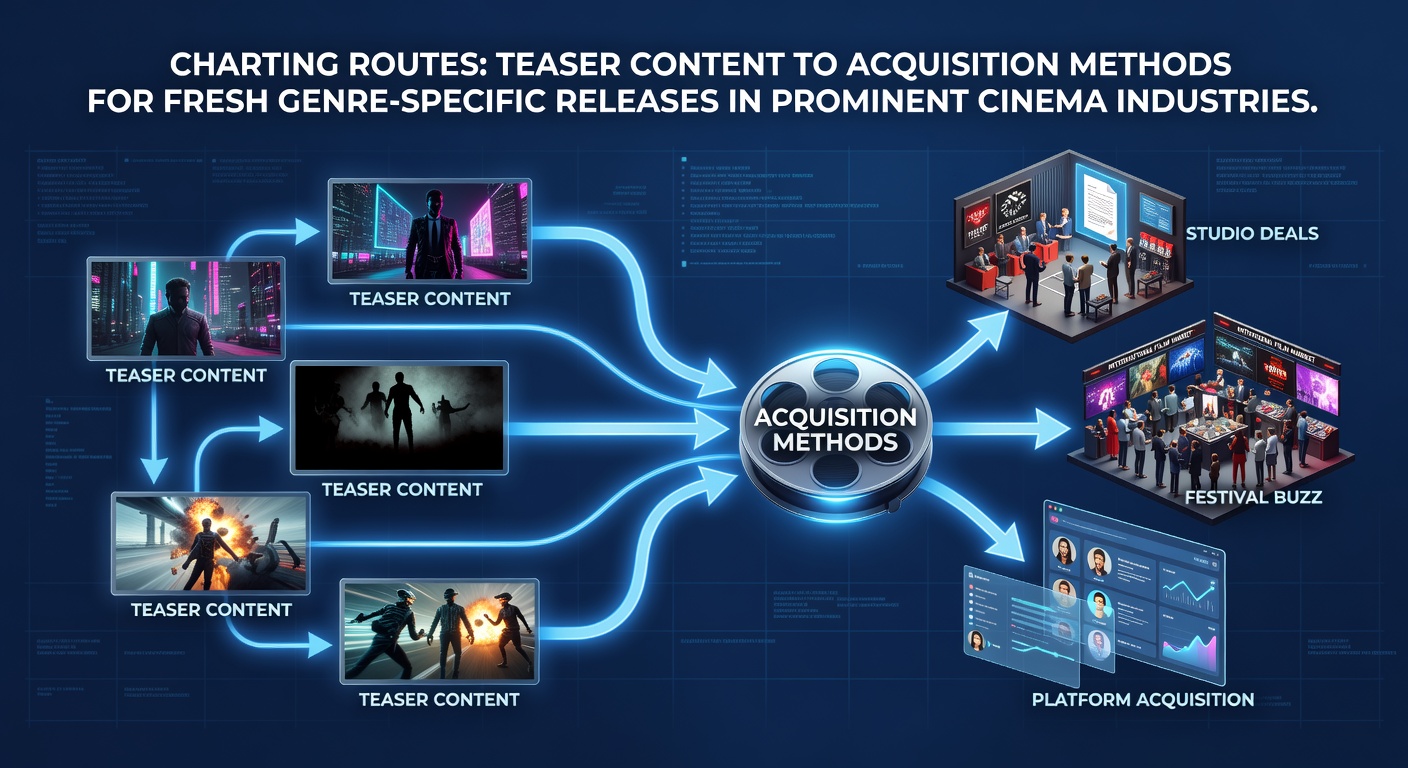
Teaser campaigns in major cinema industries operate through coordinated releases across digital channels, where studios deploy short clips to build awareness for upcoming genre titles, and these materials connect directly to structured acquisition routes that include theatrical windows, video-on-demand platforms, and licensed streaming services. Data from industry tracking shows that teaser views on platforms like YouTube and Instagram correlate with later search spikes for release information, while promotional strategies in Hollywood and Bollywood follow similar patterns of escalating content from 15-second hooks to full trailers that embed links to official ticketing or pre-order systems.
Teaser Deployment Mechanics Across Key Markets
Studios initiate the process with teaser footage timed to coincide with major events such as comic conventions or award seasons, and in May 2026 several science fiction and action projects from both American and Indian producers are scheduled for synchronized drops that target international audiences through region-specific subtitles and localized social media accounts. Research from film distribution analyses indicates that teaser content often includes metadata tags for genre classification, which then feeds into recommendation algorithms on streaming services and guides users toward legal viewing options once the full title becomes available.
Distribution Timelines and Platform Integration
Acquisition methods evolve from teaser exposure through a sequence of steps that begin with trailer hosting on verified studio channels, followed by integration with ticketing aggregators and eventual expansion to home entertainment formats, while data shows that viewers who engage with early clips demonstrate higher rates of completing purchases via authorized portals rather than unauthorized sources. In prominent industries, regulatory frameworks in the United States and the European Union require clear labeling of official links in promotional materials, which helps direct traffic to compliant acquisition routes for fresh releases in categories such as drama, thriller, and fantasy.
What's interesting is how genre-specific campaigns adapt these routes differently, for instance romance titles often route teasers toward subscription service previews that highlight emotional arcs, whereas adventure releases emphasize high-impact sequences that link to theatrical booking engines. Observers note that cross-industry collaborations between Hollywood entities and Bollywood producers have introduced hybrid teaser strategies, where shared digital assets appear on unified platforms that support multiple language tracks and connect to region-locked yet legal download services.
Viewer Navigation Patterns and Platform Features
Those who've studied audience behavior report that teaser interactions frequently trigger follow-up searches within the same app ecosystem, and platforms respond by surfacing related acquisition buttons that list pricing tiers, subtitle options, and release calendars. Figures from global box office reports reveal that titles with robust teaser-to-trailer progressions achieve measurable lifts in pre-release engagement metrics, particularly when campaigns incorporate countdown timers that redirect to verified vendors upon expiration.
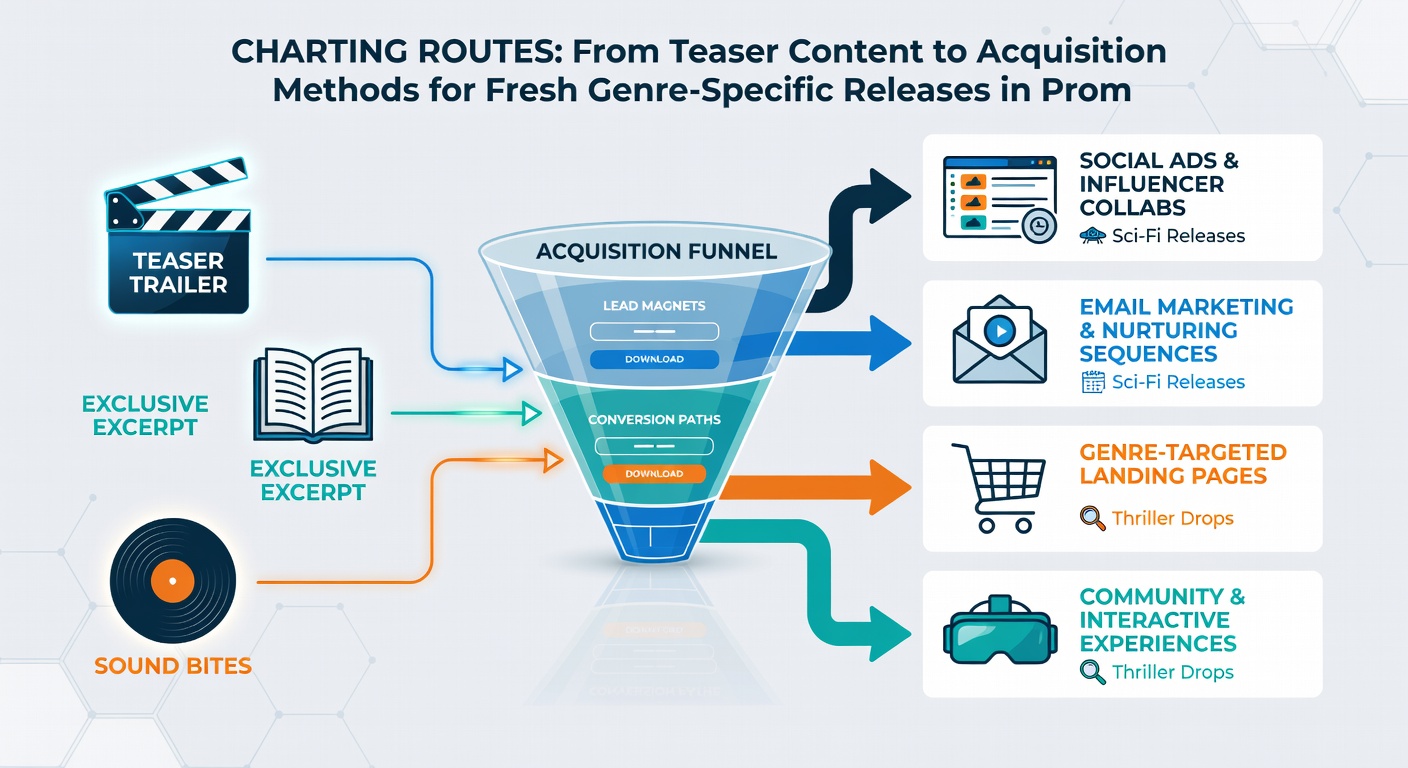
But here's the thing: regional variations affect the speed of these transitions, with North American services typically offering earlier video-on-demand windows compared to some Asian markets where theatrical exclusivity periods extend longer before digital acquisition opens. Academic studies from institutions in Canada and Australia have documented how metadata from teasers influences categorization accuracy on aggregator sites, which in turn streamlines discovery for users seeking specific genres among recent studio outputs.
Regulatory and Industry Standards in Access Routes
Industry organizations such as the Motion Picture Association maintain guidelines that require promotional content to prioritize legal acquisition pathways, and these standards extend to teaser descriptions that discourage reliance on unofficial sources while directing attention to licensed outlets. According to reports compiled by European audiovisual regulators, compliance with such directives has increased the proportion of viewers who transition from teaser exposure to authorized streams, especially for genre releases that carry clear content ratings and territorial availability notices.
Take one case where experts examined teaser campaigns for upcoming fantasy titles slated for 2026, and the findings showed that embedded QR codes within social media posts led to higher completion rates on official acquisition pages compared to text-only promotions. Data indicates that May 2026 will see expanded use of interactive teaser elements, including augmented reality filters that link directly to pre-registration forms on streaming services operating across multiple continents.
Emerging Technologies Shaping Future Routes
Technological integrations continue to refine the connection between initial teaser contact and final acquisition, with artificial intelligence tools analyzing viewer dwell time on clips to customize subsequent offers for genre-matched releases. Research from university-led media studies programs highlights that such personalization respects geographic licensing boundaries while still providing transparent options for users to secure content through approved channels in their respective regions.
Yet patterns persist across industries where teaser content serves as the entry point that funnels interest toward structured release calendars, and industry reports confirm that this funnel reduces friction when platforms unify search results with direct purchase or rental interfaces. Those tracking these developments note ongoing refinements in how teaser metadata supports accurate genre tagging, which ultimately aids both consumers and distributors in matching fresh titles to appropriate acquisition methods.
Conclusion
The routes from teaser content to acquisition methods for new genre-specific releases remain anchored in coordinated studio practices that emphasize legal pathways across prominent cinema industries. Evidence from distribution analyses and regulatory frameworks demonstrates consistent structures that guide viewers from initial exposure through to authorized viewing options, with adaptations for regional standards and technological enhancements expected to sustain these connections into future release cycles such as those planned for May 2026.