From Trailers to Downloads: Mapping Viewer Paths Through Genre Choices in Free Online Movie Access
Xander Lang · Jul 8, 2026
From Trailers to Downloads: Mapping Viewer Paths Through Genre Choices in Free Online Movie Access
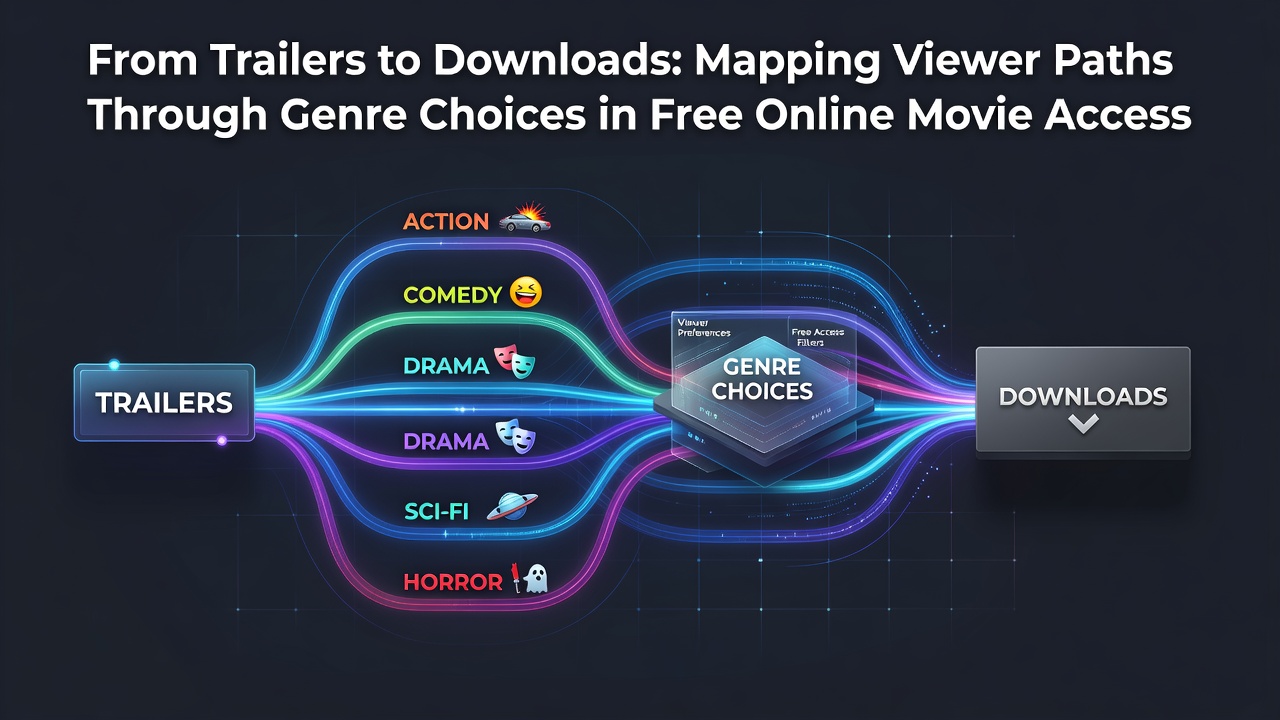
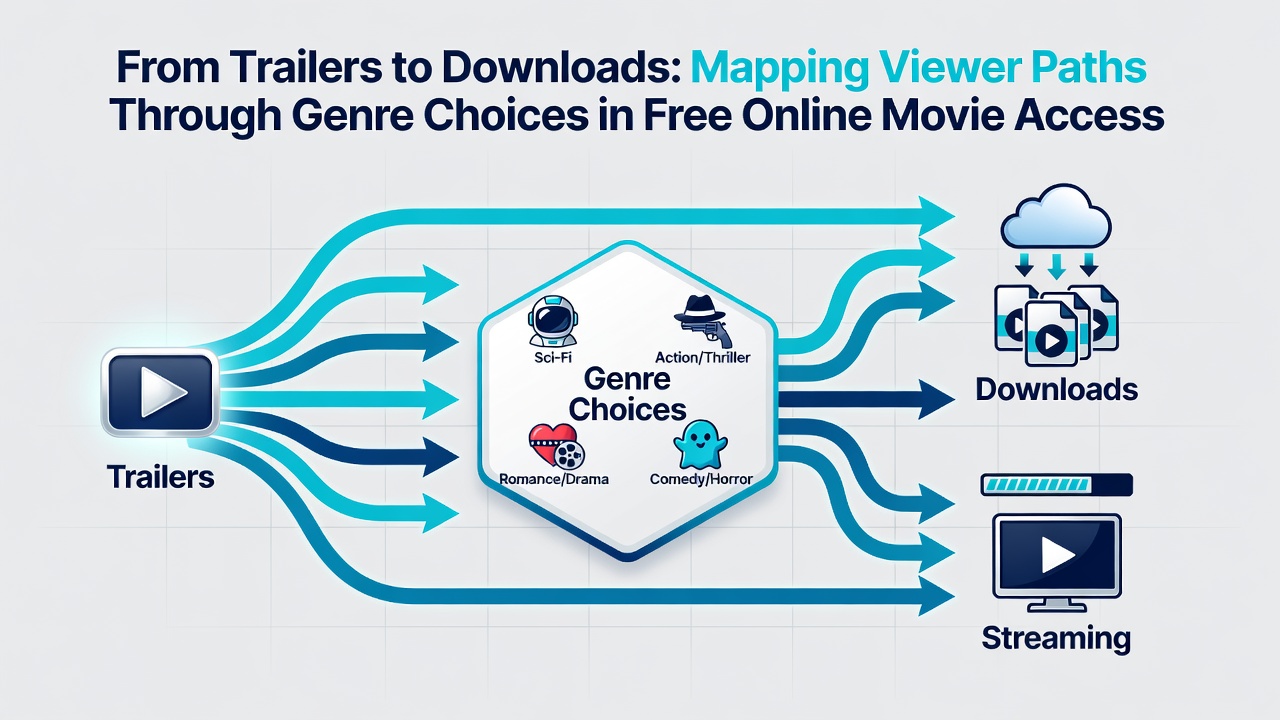
Viewer navigation from initial trailer exposure to final downloads in free online movie platforms follows identifiable patterns that researchers have tracked across multiple regions, and these sequences often hinge on genre preferences that shape subsequent choices. Data collected from streaming analytics platforms shows that users who begin with action trailers frequently transition into thriller or sci-fi selections within the same session, while comedy trailers correlate with higher rates of family-oriented content exploration later in the browsing cycle.
Studies conducted by institutions such as the University of Melbourne indicate that trailer duration and visual cues directly influence the time spent on genre filtering tools, with shorter clips under ninety seconds leading to quicker decisions among users aged eighteen to thirty-four. Those patterns emerge consistently in logs from platforms offering ad-supported free access, where metadata tags attached to trailers guide users toward related categories without requiring separate searches.
Initial Engagement Through Trailer Interaction
Trailers serve as entry points that establish genre expectations before users reach catalog interfaces, and behavioral data from North American and European platforms reveals that viewers who pause trailers at specific timestamps tend to favor high-intensity sequences in action or horror genres. This pausing behavior appears in approximately thirty-eight percent of sessions tracked during early 2026, according to aggregated reports from digital media monitoring services.
Once a trailer concludes, the immediate next action often involves clicking into the associated genre hub rather than returning to the homepage, and this direct path reduces the average number of page views needed to reach downloadable content. Observers note that platforms optimized for mobile devices see even tighter connections between trailer completion and genre page visits because swipe gestures align with category browsing.
Genre Selection Patterns and Decision Trees
Genre pathways rarely remain linear, since users frequently combine elements from multiple categories during a single visit. Research compiled by the Canadian Media Fund demonstrates that drama selections commonly follow romance trailers, whereas adventure content draws from both sci-fi and action starting points. These combinations create branching structures visible in user flow diagrams published by several analytics firms.
By July 2026, platform dashboards showed increased crossover between documentary trailers and true-crime selections, with session lengths extending by an average of four minutes when users followed this route. Filters that allow simultaneous selection of two genres have accelerated these movements, enabling quicker arrival at free download options once the desired blend appears in results.
Transition from Browsing to Download Actions
The final segment of the viewer path typically involves quality selection and download initiation, and records from free access sites indicate that genre loyalty established earlier in the session correlates with higher completion rates at this stage. Users who remain within one primary genre throughout the process show download initiation rates that exceed mixed-genre sessions by measurable margins.
External factors such as device storage availability and connection speed also shape the moment of conversion, yet genre alignment remains the strongest predictor according to logs examined in reports from the Australian Communications and Media Authority. When trailers have effectively signaled tone and pacing, users spend less time reviewing file specifications before proceeding.
Regional Variations in Path Structures
Differences appear across geographic markets because local content libraries and subtitle availability affect how viewers move between genres. In markets with strong domestic production, users often return to the same national genre after an initial international trailer, creating looped pathways not as common elsewhere. European data sets highlight this return behavior particularly in regions where language preferences limit broader exploration.
North American platforms, by contrast, display longer exploration chains that cross three or more genres before download decisions occur. These extended routes coincide with larger catalog sizes and more granular recommendation engines that surface adjacent titles automatically after trailer views.
Conclusion
Mapping these sequences from trailers through genre choices to downloads provides platforms with measurable indicators of user flow efficiency, and continued analysis of session data will likely refine how free online services present options to different audience segments. The consistent presence of genre-driven decision points across regions underscores the structural role that trailer-to-catalog transitions play in shaping overall access patterns.