Evolving Viewer Trends in Free International Film Consumption and Promotional Engagement
Xander Lang · Jul 27, 2026
Evolving Viewer Trends in Free International Film Consumption and Promotional Engagement
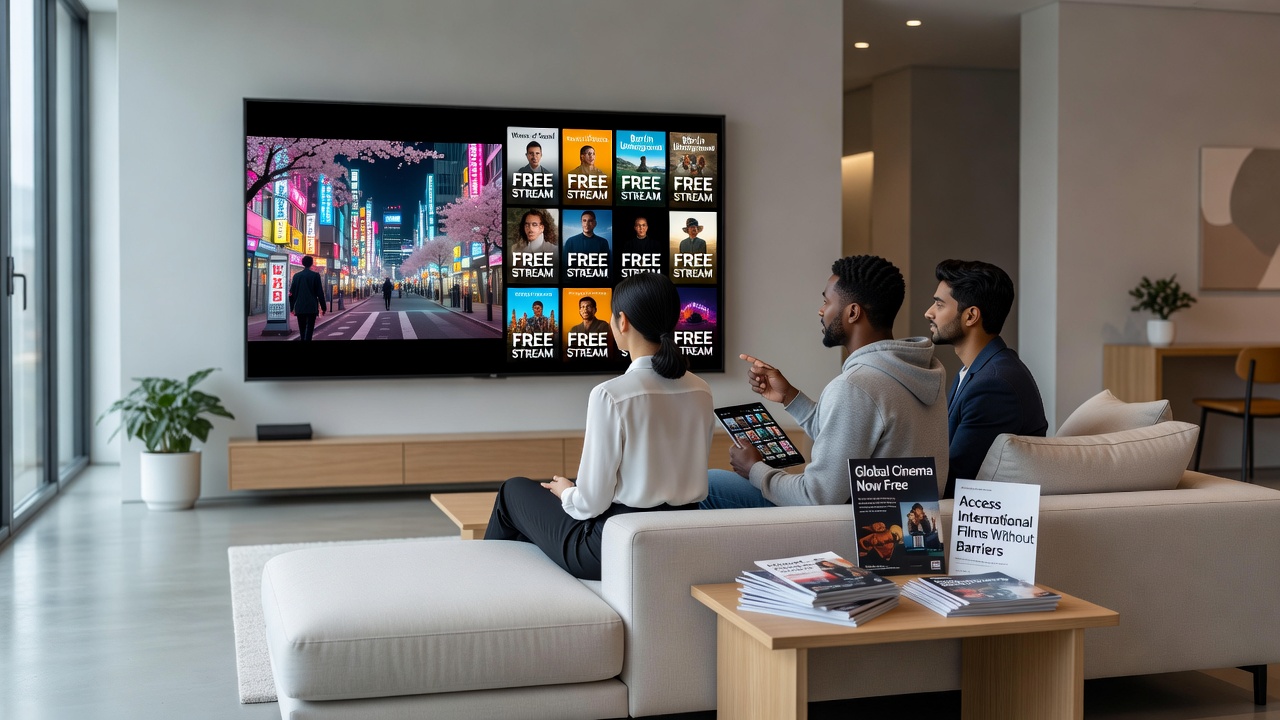
Contemporary international films have seen noticeable changes in how audiences approach free access options, with data from mid-2026 indicating a steady rise in viewers turning to no-cost platforms for both full features and related promotional materials such as trailers, behind-the-scenes clips, and social media campaigns. Researchers tracking consumption patterns across multiple regions report that these shifts align with broader economic pressures and the expansion of ad-supported digital channels that emerged prominently after 2023.
Key Drivers Behind Access Pattern Changes
Multiple studies released in July 2026 highlight economic factors as central to these developments, where rising subscription costs for premium services prompted many households to explore alternatives like free ad-supported streaming television services and user-generated content repositories. Observers note that promotional content often serves as an entry point, allowing viewers to sample international titles from regions including South Korea, Nigeria, and Brazil before committing time to full viewings on legal free tiers. Industry reports show that trailers and teaser campaigns distributed through platforms with no paywalls generated higher engagement rates compared to paid social media placements during the first half of 2026.
Technological accessibility also plays a significant role, since mobile devices now account for a larger share of film-related traffic in emerging markets, where data caps encourage shorter promotional clips over extended paid streams. Those who have examined regional statistics find that free access options frequently bundle promotional materials with the films themselves, creating integrated experiences that reduce friction for new viewers encountering non-English language cinema.
Regional Variations in Consumption Habits
European markets demonstrate distinct trends according to analyses from the European Audiovisual Observatory, where free access to contemporary international films increased notably through public broadcaster archives and ad-supported portals during 2025 and into 2026. Viewers in these areas often combine short promotional segments from official studio channels with full-length features available via temporary free windows tied to festivals or cultural events. Australian data compiled by Screen Australia reveals parallel movements, with younger demographics showing preference for free platforms hosting both the films and associated marketing content such as director interviews and production stills.
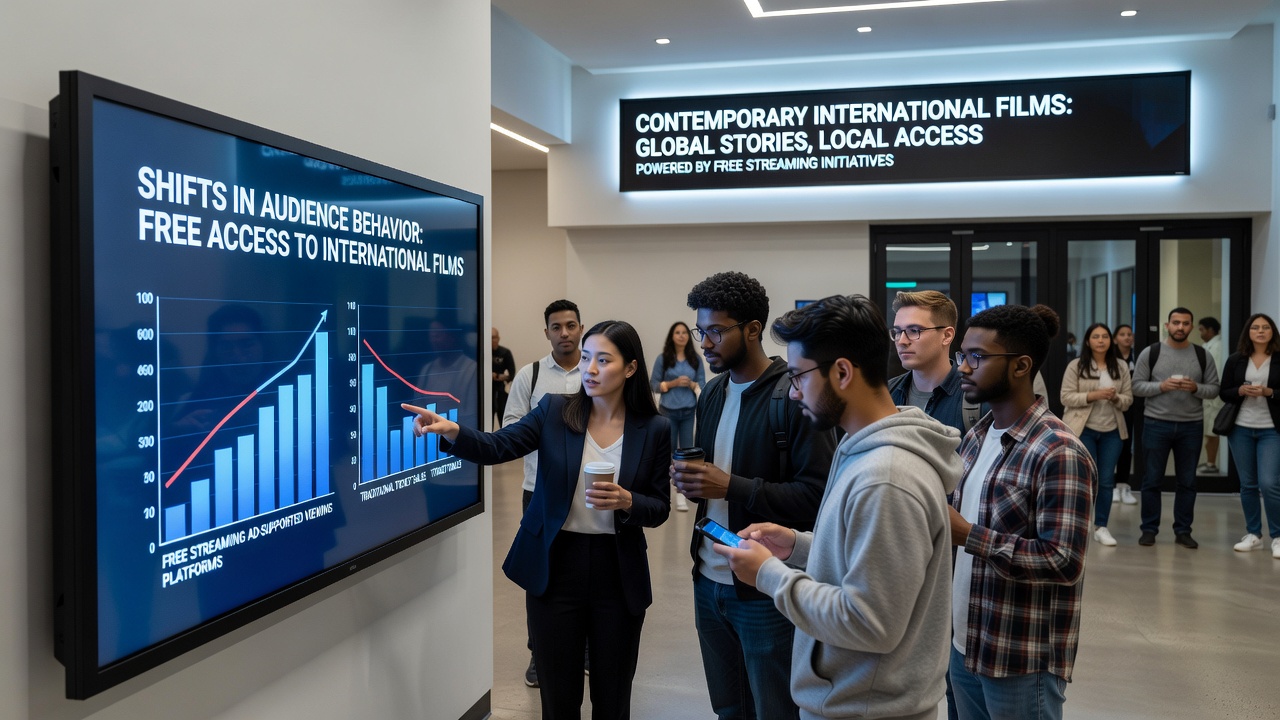
North American patterns differ slightly yet still reflect the overall movement toward complimentary options, particularly for films originating outside major studio systems. Data indicates that social media platforms function as primary discovery tools, where clips of international releases circulate freely and direct traffic to legal ad-supported viewing destinations. Researchers tracking these flows emphasize that promotional campaigns designed specifically for free distribution channels achieve wider reach than traditional paid advertising in several tested markets.
Impact on Promotional Strategies
Production companies and distributors have adjusted their approaches in response to observed behavior changes, with many allocating larger portions of marketing budgets to content optimized for no-cost platforms. Case examples from 2026 demonstrate that campaigns featuring interactive elements within promotional videos on free sites sustained viewer attention longer than static advertisements. Those studying the sector point out that international films benefit especially from this model because free access lowers barriers for audiences unfamiliar with subtitles or regional storytelling conventions.
Yet the expansion of free options creates challenges for revenue models, prompting some distributors to experiment with hybrid releases that offer limited free windows followed by paid tiers. Evidence from academic examinations of viewing logs suggests these strategies maintain engagement without fully displacing traditional theatrical or subscription pathways.
Conclusion
Shifts in audience behavior toward free access for contemporary international films and their promotional content reflect interconnected influences from economic conditions, device usage, and platform availability as documented through 2026. Regional differences persist while overall patterns point toward sustained interest in no-cost entry points that include both complete works and supporting materials. Continued monitoring by research institutions will clarify whether these trends stabilize or evolve further with new technological and market developments.