Digital Networks Delivering Films to Global Audiences
Frankie Jenkins · Aug 3, 2026
Digital Networks Delivering Films to Global Audiences
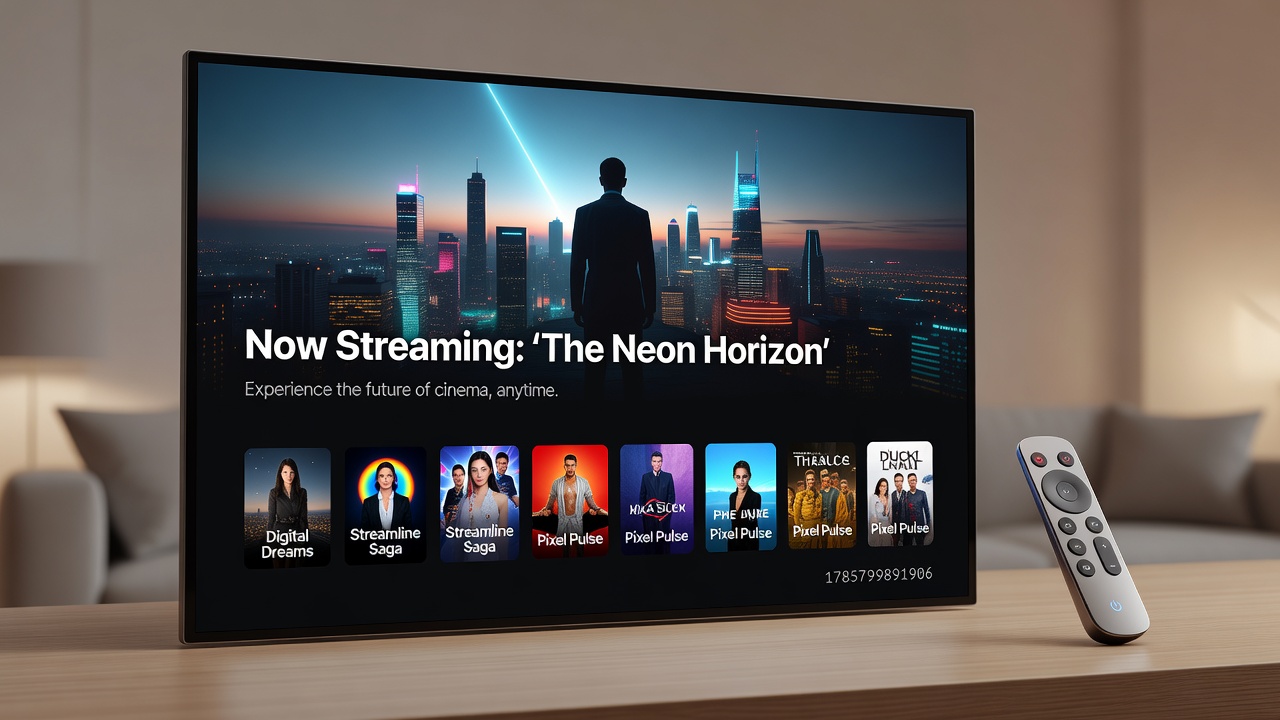
Internet-based platforms have expanded access to films through on-demand delivery, and data from regulatory bodies shows steady increases in subscriptions across multiple regions since the early 2010s. Viewers now connect via broadband connections, mobile networks, and smart devices to select titles from extensive libraries that update regularly with new releases and catalog content. This shift has altered distribution models that once relied on physical media and scheduled broadcasts, while companies invest in content licensing agreements and server infrastructure to maintain consistent playback quality.
Core Technology Supporting Streaming Delivery
Content delivery networks, known as CDNs, store copies of films on servers positioned closer to end users, which reduces latency during playback and supports higher resolution formats such as 4K and HDR. Adaptive bitrate streaming adjusts video quality in real time based on available bandwidth, and protocols like HTTP Live Streaming handle the segmentation of files into smaller chunks that reassemble seamlessly on player software. Device manufacturers integrate applications that authenticate users through accounts, manage offline downloads where permitted, and synchronize viewing progress across multiple screens.
Market Expansion and Regional Patterns
Subscription numbers have grown in North America, Europe, Asia-Pacific, and Latin America according to industry reports, with services offering localized catalogs that reflect licensing deals and cultural preferences. In August 2026, several providers plan to introduce expanded bundles that combine video with live sports and music catalogs, while data from the Canadian Radio-television and Telecommunications Commission indicates continued household adoption of high-speed connections that enable these multi-service packages. Observers note that advertising-supported tiers have attracted additional users who prefer lower monthly fees in exchange for commercial breaks during films.
Regulatory Frameworks Across Jurisdictions
Government agencies oversee aspects of content moderation, data privacy, and competition in the streaming sector. The Federal Communications Commission in the United States tracks network neutrality rules that affect how providers prioritize traffic, while the European Commission enforces audiovisual media directives that require investment in European productions. These frameworks influence how platforms display recommendations, handle user data, and report on accessibility features such as subtitles and audio descriptions.
Viewer Behavior and Content Discovery
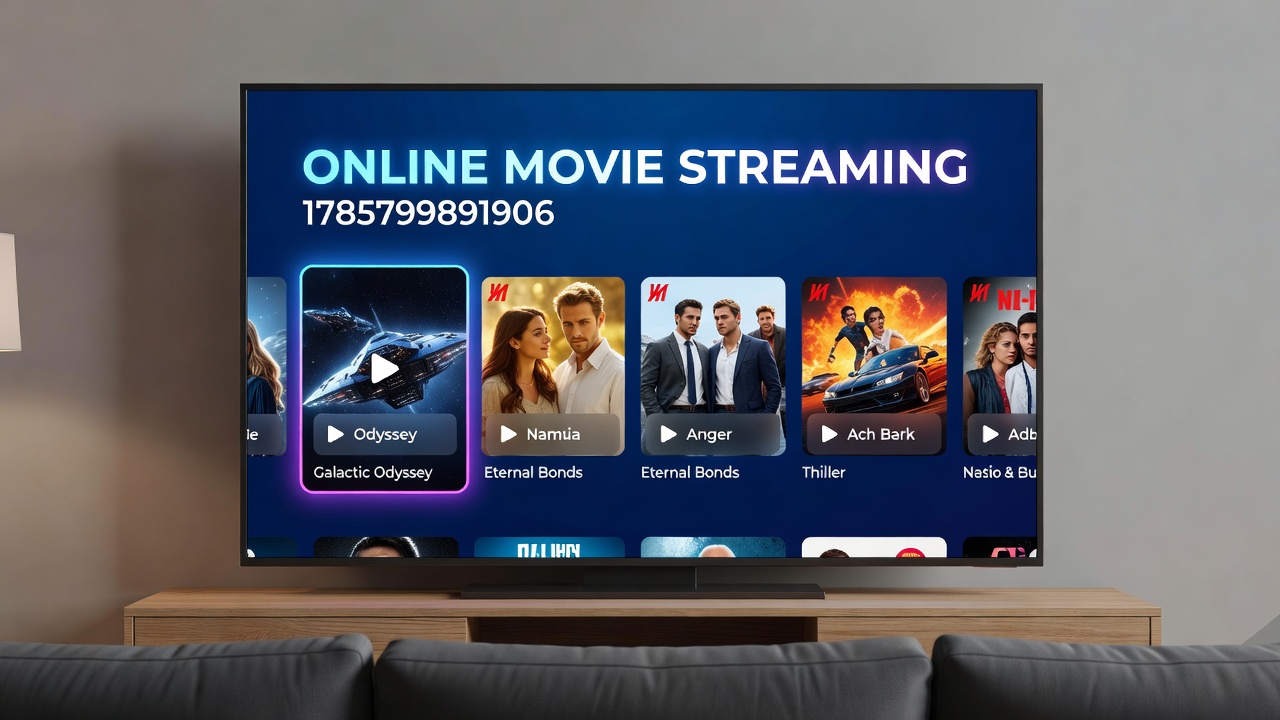
Analytics from platform operators reveal that users frequently begin sessions through search functions or personalized rows, and completion rates vary by genre and length. Mobile viewing has increased during commutes and travel, whereas larger screens in living rooms support family group sessions. Research from academic institutions documents shifts in attention spans during extended viewing, and services respond by offering episode recaps and skip-intro options that maintain engagement. Parental control settings allow account holders to restrict titles based on ratings systems established by national boards.
Infrastructure Challenges and Solutions
Peak usage periods, such as weekend evenings, place demands on both last-mile connections and international transit links, prompting operators to deploy edge computing resources that cache popular titles closer to regional clusters. Compression algorithms continue to evolve, balancing file sizes against visual fidelity, and 5G rollouts in urban areas have begun to support higher quality streams on wireless devices. Cybersecurity measures protect against unauthorized access to accounts and content, with multi-factor authentication becoming standard on most major services.
Conclusion
Online movie streaming operates through layered systems of licensing, technology, and regulation that together determine availability and quality for end users. Figures from communications authorities and trade associations continue to track adoption rates and service innovations that shape how audiences encounter films in the years ahead. Platforms adjust features and pricing structures in response to these metrics, while infrastructure investments support expanding demand across connected devices worldwide.