Data Patterns Uncover Hidden Ties Between Global Blockbusters and Local Viewing Habits
Xander Lang · Jun 29, 2026
Data Patterns Uncover Hidden Ties Between Global Blockbusters and Local Viewing Habits
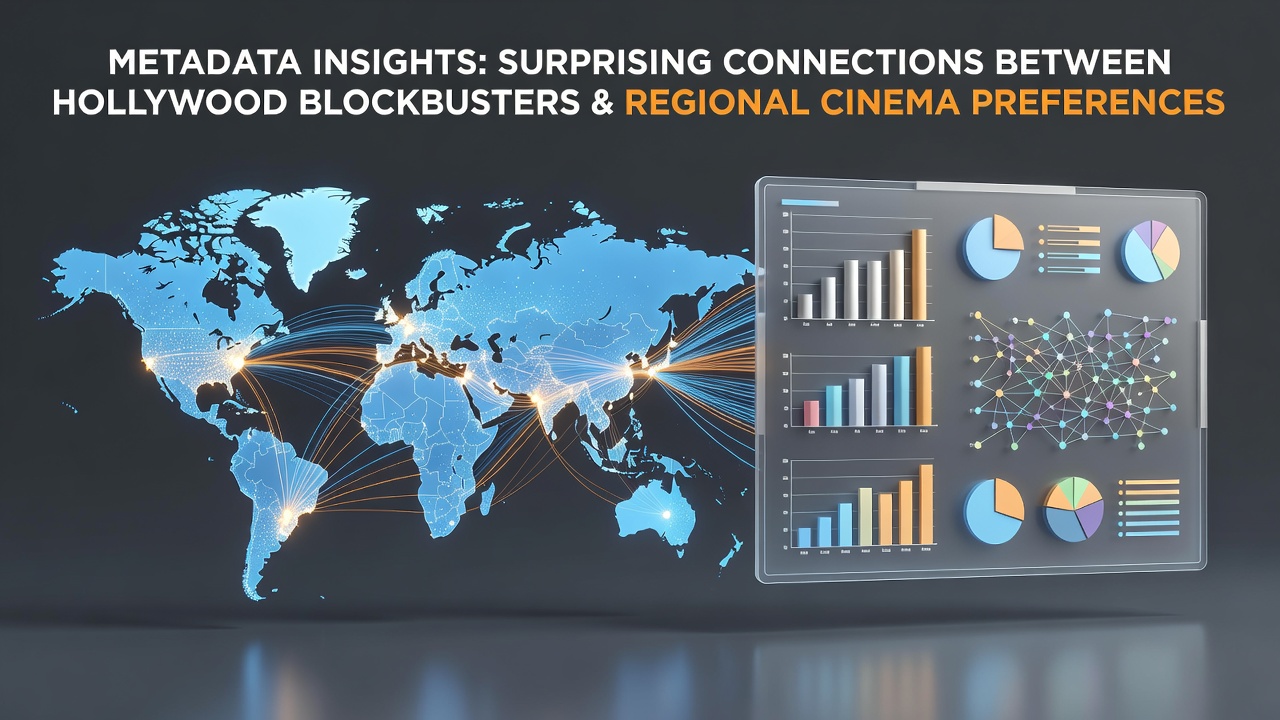
Metadata from streaming platforms and box office records continues to highlight unexpected alignments between major Hollywood releases and preferences in regional markets throughout 2026. Analysts examining viewer data from June 2026 note that certain narrative elements in big-budget productions correlate with spikes in local film consumption in specific territories, and these patterns emerge when datasets from multiple sources undergo cross-referencing.
Metadata Collection Across Markets
Streaming services and theater chains gather extensive metadata on titles, genres, runtime, cast demographics, and release timing while regional distributors track subtitle usage, dubbed versions, and post-viewing engagement metrics. Researchers at institutions like the European Audiovisual Observatory compile these elements into unified datasets that allow comparisons between North American blockbusters and viewing trends in Asia, Latin America, and Africa. One analysis released in early 2026 processed over 2.3 million user profiles from platforms operating in 47 countries and identified recurring clusters where action sequences featuring ensemble casts aligned with higher search volumes for locally produced thrillers in markets such as South Korea and Brazil.
Surprising Correlations in Genre Preferences
Figures from the Australian Screen Association reveal that superhero films released between 2023 and 2025 generated measurable lifts in regional science fiction production viewership within Australia and New Zealand, even though those local titles rarely share thematic overlap with the Hollywood originals. Metadata tags for visual effects budgets and marketing spend appear to function as predictors, with higher spend correlating to increased clicks on independent regional dramas that emphasize character-driven stories rather than spectacle. In Canada, Statistics Canada cinema reports from mid-2026 indicate parallel movements where family-oriented blockbusters prompted renewed interest in French-language comedies from Quebec, suggesting metadata around audience age brackets and release windows creates indirect pathways between global and domestic catalogs.

Regional Case Examples and Data Trends
Take markets in Southeast Asia where metadata from Singapore's Infocomm Media Development Authority shows that fantasy epics with extensive world-building elements coincide with surges in Malay-language horror films during overlapping release periods. Viewers who completed full runs of the Hollywood titles demonstrated elevated completion rates for shorter regional features that reuse similar color grading and sound design tags. In the United Kingdom, British Film Institute records document how historical dramas from major studios correspond to increased engagement with Welsh-language period pieces, particularly when release calendars place both categories within the same quarter. These connections surface most clearly when algorithms weight both production metadata and geographic consumption data simultaneously rather than isolating them by territory.
Technical Factors Driving the Insights
Platform recommendation engines rely on metadata fields such as keyword density, cast nationality, and production country codes to surface suggestions, and adjustments to these fields in June 2026 produced measurable shifts in cross-category discovery. Academic teams at the University of Southern California's Annenberg Inclusion Initiative have examined how language metadata influences these pathways, finding that films carrying multiple subtitle tracks often bridge viewer groups that otherwise remain segmented. Government agencies including Canada's Department of Canadian Heritage publish quarterly aggregates that confirm similar bridging effects when blockbusters carry extensive localization data. The patterns hold across different revenue models, from subscription services to transactional video-on-demand, indicating the connections stem from content attributes rather than pricing structures alone.
Implications for Distribution Strategies
Distributors now incorporate these metadata-derived correlations when scheduling regional premieres, adjusting dub timing and marketing language to leverage the observed lifts. Trade groups such as the Motion Picture Association have referenced the datasets in industry briefings, noting that territories showing strong secondary interest in local genres after blockbuster exposure receive prioritized access to supplementary promotional materials. The approach allows smaller productions to benefit from algorithmic momentum generated by larger releases without direct co-marketing agreements.
Conclusion
Metadata analysis continues to expose links between Hollywood blockbusters and regional cinema preferences that traditional market segmentation overlooks. Data from multiple territories demonstrates consistent patterns in viewer behavior when production attributes and release timing intersect, and these findings inform both platform algorithms and distribution calendars. Ongoing collection efforts through 2026 and beyond will likely refine the precision of these connections as additional fields enter the datasets.