Categorization Mechanisms and Their Influence on Accessing Recent Film Releases in Varied Genres and Geographic Areas
Frankie Jenkins · Jun 24, 2026
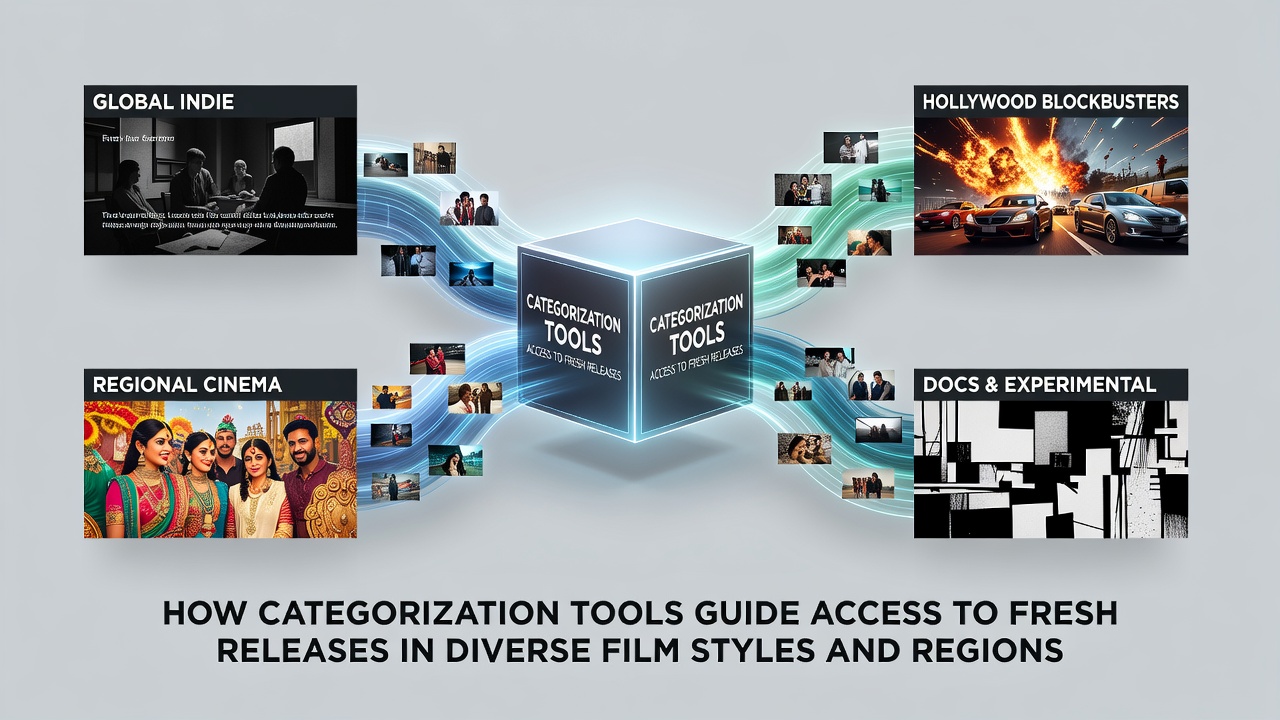
Categorization Mechanisms and Their Influence on Accessing Recent Film Releases in Varied Genres and Geographic Areas
Streaming services rely on categorization tools to organize vast libraries of content, and these systems directly shape how audiences locate fresh releases across multiple film styles and international regions. Data from industry reports shows that platforms apply tags, genres, subgenres, and regional filters to new uploads, which allows users to navigate selections without sifting through unrelated titles. Research indicates that effective categorization increases visibility for releases from independent producers in Latin America as well as major studio productions from North America and Asia.
Core Functions of Categorization Systems
Platforms implement metadata structures that assign films to categories such as drama, thriller, documentary, or animation while incorporating regional markers like country of origin or language. Observers note that these assignments occur at upload, and algorithms then refine recommendations based on user location and viewing history. In June 2026 updates to several major services introduced enhanced location-based filters that prioritize local productions alongside global premieres, which expands access for viewers in Europe and Oceania. Those who've studied platform operations know that without such tools, new titles from smaller markets often remain buried under high-volume releases from dominant industries.
Genre-Specific Access Patterns
Film styles receive distinct treatment within categorization frameworks, and action or science fiction titles frequently feature prominent placement due to broad appeal metrics tracked by services. Meanwhile, documentaries and arthouse works depend more heavily on niche tags and curator lists to reach interested audiences. Studies from academic institutions reveal that genre clustering helps surface regional variations, such as European thrillers that incorporate social commentary elements distinct from their Hollywood counterparts. People often find that filters for specific styles connect them to releases they might otherwise overlook, particularly when platforms add temporal tags indicating recent availability.
Regional Variations in Classification Approaches
Geographic differences influence how categorization operates, and services adjust metadata to comply with local content regulations while highlighting culturally relevant productions. According to data compiled by the European Audiovisual Observatory, classification systems in the European Union emphasize language diversity and co-production credits, which guides users toward films from multiple member states. In contrast, platforms serving Asian markets frequently prioritize genre hybrids that blend traditional storytelling with contemporary formats. Film Victoria reports highlight similar adaptations in Australia, where regional tags promote Indigenous cinema alongside international imports.
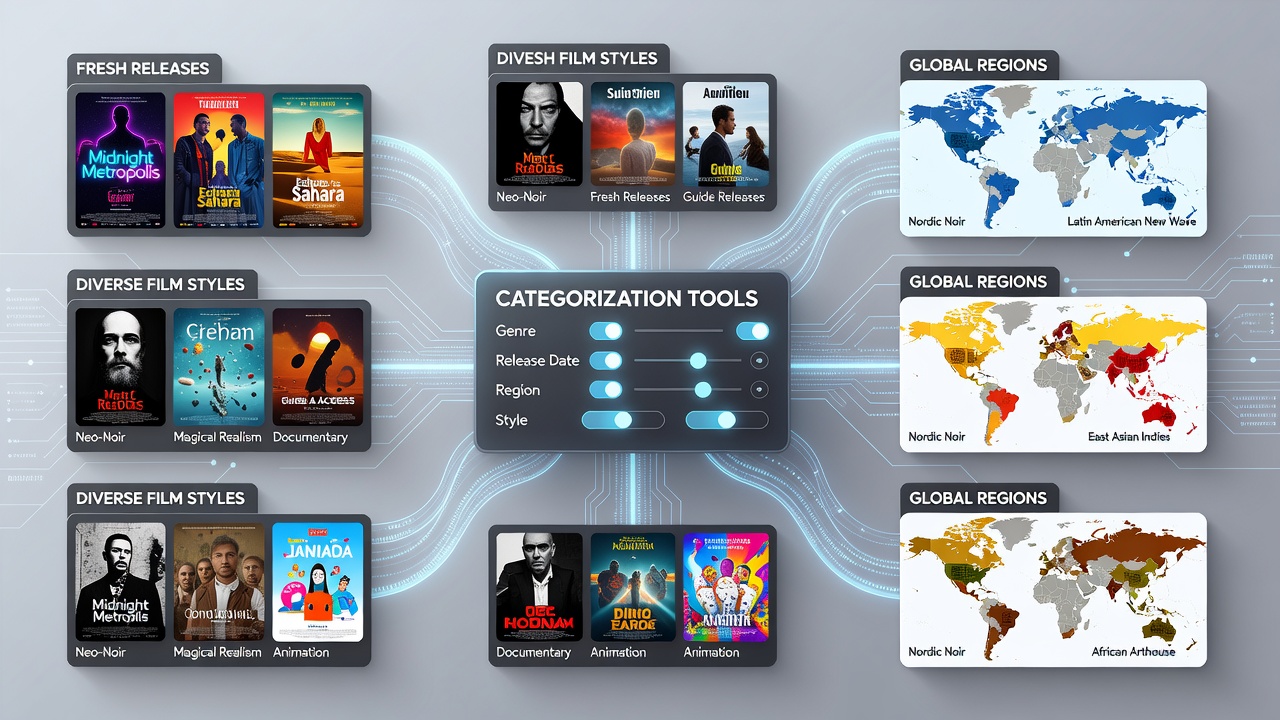
What's interesting is how these regional adjustments affect discovery rates for fresh content. Research indicates that viewers in Canada access more international documentaries when platforms apply bilingual tagging systems developed in collaboration with national film agencies. Those who've analyzed user behavior data note that such tools reduce barriers for non-English language releases without requiring manual searches.
Technical Implementation and Updates
Modern categorization relies on both manual curation and automated systems that process elements like runtime, cast origin, and thematic keywords. Platforms roll out periodic refinements, and June 2026 saw several services integrate AI-assisted tagging that cross-references global release schedules. This approach connects new films from African cinema movements to broader audiences interested in emerging storytelling traditions. Evidence suggests that consistent updates to classification databases prevent outdated groupings from limiting access to timely releases across borders.
Conclusion
Categorization tools continue to evolve as central components in film distribution ecosystems, and their application determines visibility for releases spanning diverse styles and regions. Observers note that ongoing refinements in metadata standards support broader access patterns while accommodating the unique characteristics of productions from varied markets. Data shows sustained investment in these systems correlates with expanded reach for both established and emerging filmmakers worldwide.