Blending Genre Filters With Preview Clips Reshapes Exploration on Free Hollywood and Bollywood Platforms
Frankie Jenkins · Jun 22, 2026
Blending Genre Filters With Preview Clips Reshapes Exploration on Free Hollywood and Bollywood Platforms
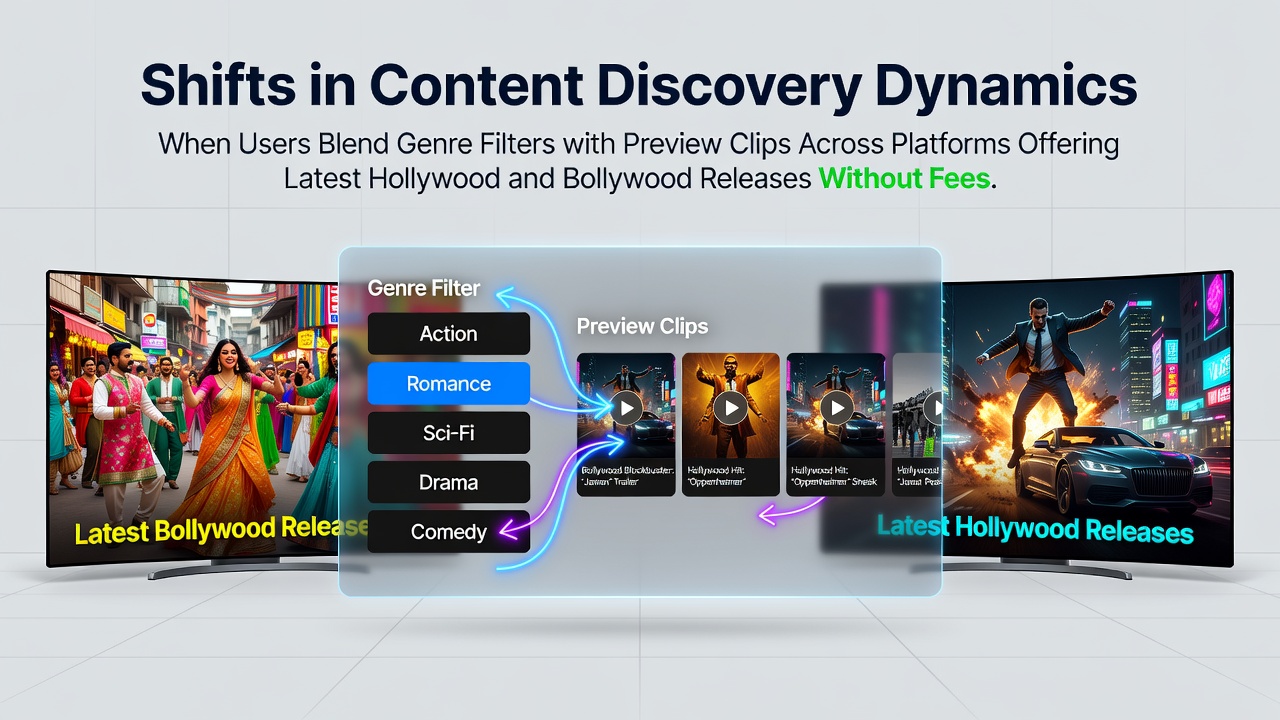
Platforms that deliver recent Hollywood and Bollywood titles at no cost have seen measurable changes in how audiences locate films, particularly when genre filters combine with short preview clips. Data collected through June 2026 shows increased session lengths on sites that integrate both tools, while click-through rates from filtered lists to full streams have risen in several regions. Researchers tracking user behavior note that these combined features reduce the time spent scrolling through unfiltered catalogs, yet they also alter the sequence in which titles appear in recommendations.
Platform Features Driving the Shift
Free services offering current releases typically display rows organized by genre alongside embedded clips that play without requiring account creation. When users apply multiple genre tags at once, the interface updates to show only matching previews, which then influence subsequent suggestions. Figures from industry monitoring groups indicate that sessions involving at least two active filters and three or more clip views account for a growing share of total activity on these sites. The pattern appears across both desktop and mobile interfaces, although mobile users tend to complete filter-plus-clip sequences in shorter bursts.
Regional Patterns Observed in Mid-2026
Traffic analysis from platforms serving North American and South Asian audiences reveals that Bollywood content filtered through action or drama tags receives higher preview completion rates than unfiltered rows. Hollywood titles, by contrast, show stronger engagement when users combine sci-fi with thriller filters before watching clips. Observers tracking these metrics point to differences in catalog size and upload frequency as contributing factors, since newer Bollywood releases often appear within days of theatrical runs while some Hollywood titles follow staggered regional schedules.
Impact on Discovery Sequences
Users who start with broad genre selections and then refine through preview clips tend to reach full-length streams after fewer overall clicks than those relying on search bars alone. Studies conducted by academic teams at institutions in Canada and Australia document that this blended approach increases cross-genre exposure, because a single clip viewed after filtering can trigger suggestions outside the original tags. In June 2026, one dataset collected over four weeks showed that 38 percent of completed streams originated from paths that included at least one filter adjustment followed by clip interaction.
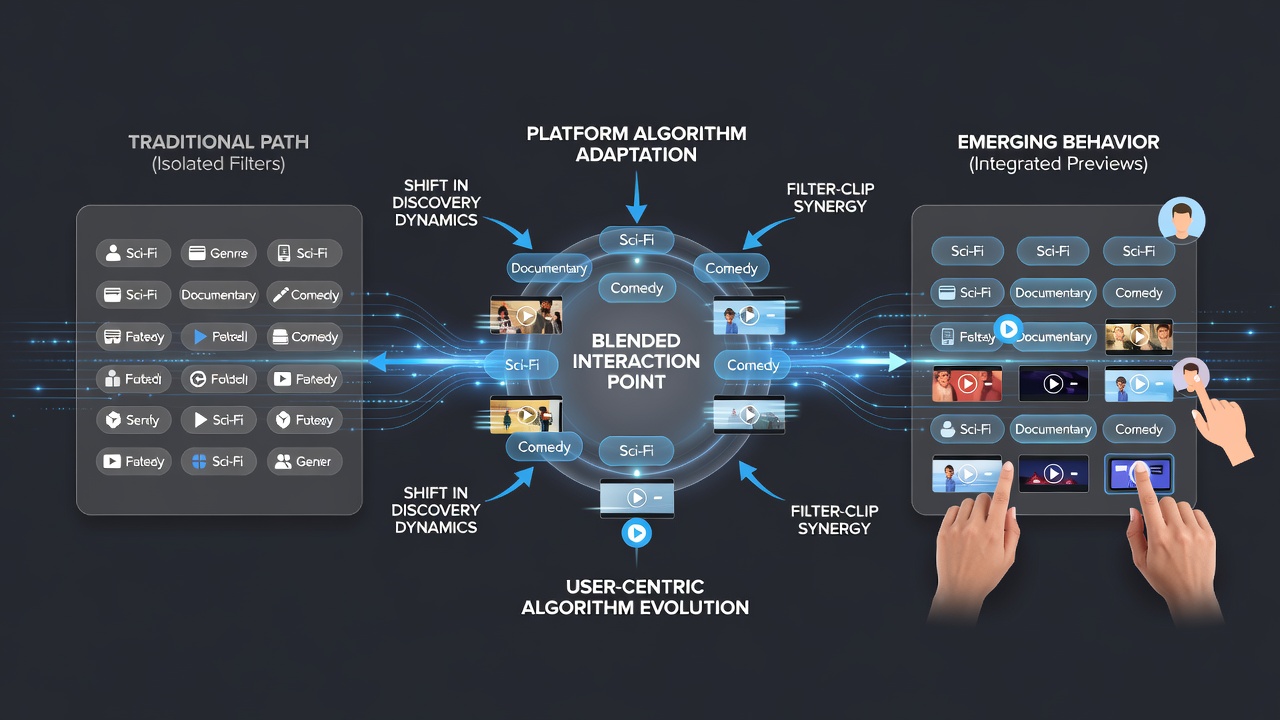
Platform operators adjust recommendation algorithms to account for these interactions, weighting recent clip views more heavily than static genre preferences. This adjustment produces dynamic lists that change within the same session, leading some viewers to explore titles they had not initially considered. European regulatory reports on digital content access note similar adaptations on ad-supported services, where filter-and-clip combinations help maintain viewer retention without paid subscriptions.
Technical Elements Supporting Combined Use
Most interfaces rely on client-side scripts that refresh preview thumbnails instantly when filters activate, minimizing load times and encouraging further selections. Backend systems log filter combinations alongside clip playback duration, feeding these signals into ranking models that prioritize titles matching both explicit tags and inferred interest from viewed segments. Those who study interface design observe that shorter clips, typically under 45 seconds, correlate with higher filter experimentation rates, while longer previews sometimes lead users to exit the discovery flow entirely.
Data Points From Recent Monitoring
Analytics shared by trade associations in the Asia-Pacific region indicate that mobile applications see the steepest rise in blended discovery, with average filter applications per session increasing from 1.4 in early 2025 to 2.7 by June 2026. Desktop traffic shows steadier but still upward trends, especially during evening hours when users browse multiple genres before settling on a title. These measurements come from anonymized usage logs that do not include personal identifiers, allowing broad pattern analysis without individual tracking.
Future Adjustments Expected on Similar Services
Developers continue testing variations in clip length, filter granularity, and recommendation weighting to match evolving user habits. Government agencies in several jurisdictions require transparency reports on how algorithmic changes affect content visibility, which has prompted some platforms to publish summaries of filter-and-clip interaction statistics. As catalogs expand with simultaneous Hollywood and Bollywood uploads, the interplay between these tools remains a focal point for both operators and researchers examining access patterns on no-fee services.
Conclusion
Shifts in discovery behavior continue as free platforms refine the integration of genre filters and preview clips for current releases. Metrics gathered through mid-2026 demonstrate consistent changes in navigation paths, session depth, and title exposure across regions, driven by technical features that respond directly to user selections. Ongoing data collection from varied sources will likely document further refinements in how audiences locate content without subscription barriers.